

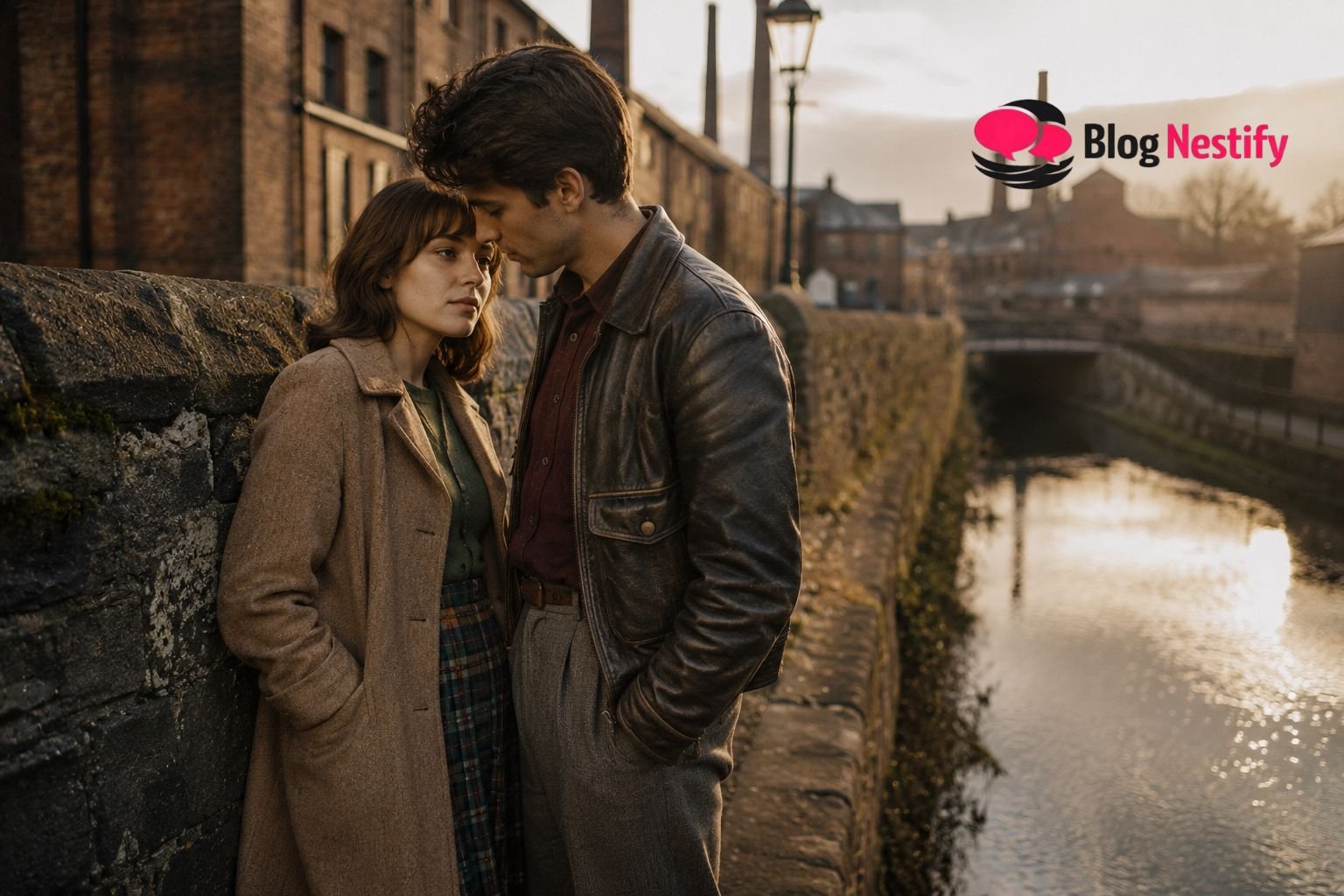
The Dirty Old Town lyrics have fascinated music lovers for generations. Although many people associate the song with Irish folk music because of famous recordings by The Dubliners and The Pogues, its roots actually lie in northern England. Written by Ewan MacColl in 1949, the song paints a vivid picture of industrial life, lost dreams, romance, and the deep emotional connection people often have with their hometowns.
More than seventy years after it was written, the song continues to be sung in pubs, concert halls, football stadiums, and family gatherings around the world. Its simple words carry powerful emotions, allowing listeners to find their own meanings within the verses.
This article explores the history behind the song, the meaning of the Dirty Old Town lyrics, and the hidden stories that have helped make it one of the most beloved folk songs ever written.
BIO
| Label | Information |
|---|---|
| Song Title | Dirty Old Town |
| Writer | Ewan MacColl |
| Year Written | 1949 |
| Song Type | Folk Song |
| Original Purpose | Written for a stage play |
| Play Name | Landscape with Chimneys |
| Inspired By | Salford, England |
| Main Themes | Love, nostalgia, change |
| Setting | Industrial town |
| Famous Performers | The Dubliners, The Pogues |
| Cultural Significance | Folk music classic |
| Key Symbol | The axe and urban renewal |
| Legacy | Popular worldwide for decades |
What Are the Dirty Old Town Lyrics About?
At first glance, the song appears to tell a simple story. The narrator walks through an industrial town, remembers moments of love, observes the harsh surroundings, and dreams of change.
However, the beauty of the song lies in its layers. The lyrics combine personal memories with social commentary. They describe a place that is both loved and criticized. The town is dirty, smoky, and worn down, yet it remains deeply important to the narrator.
This mixture of affection and frustration creates a powerful emotional tension. Many listeners recognize similar feelings toward the places where they grew up. Even when a hometown has flaws, it can still hold treasured memories.
The Dirty Old Town lyrics therefore speak not only about a physical location but also about identity, belonging, and personal history.
The Story Behind the Song
The song was written by Ewan MacColl, one of the most influential figures in British folk music. Born as James Henry Miller in Salford, England, MacColl grew up surrounded by factories, canals, warehouses, and working-class neighborhoods.
He wrote “Dirty Old Town” in 1949 for his stage play Landscape with Chimneys. The play was set in an industrial northern English town and explored the lives of ordinary working-class people. The song was originally intended as part of the theatrical production before developing a life of its own.
As folk music gained popularity during the 1950s and 1960s, the song began spreading far beyond the theater. Singers across Britain adopted it, and eventually it became a folk standard known throughout the English-speaking world.
Today, many people know the song without realizing it was originally written for a play.
The Real Town Behind the Lyrics
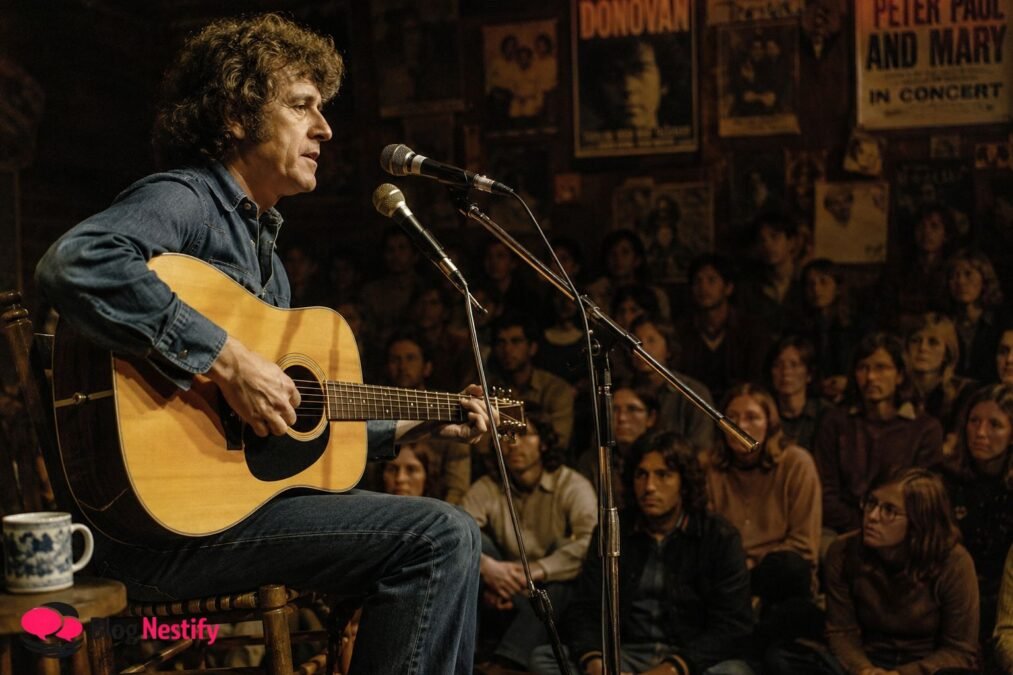
One of the most interesting facts about the Dirty Old Town lyrics is that they were inspired by a real place.
MacColl wrote the song about Salford, a city near Manchester in northwest England. During the first half of the twentieth century, Salford was heavily industrialized. Factories, railways, gasworks, and canals dominated the landscape.
The references found throughout the song are linked to real locations. The mention of the gasworks wall and the old canal reflects features that existed in the area where MacColl spent his childhood.
Life in industrial Salford was often difficult. Pollution filled the air, working conditions could be harsh, and many neighborhoods struggled with poverty. Yet for MacColl, the town was also home. This combination of criticism and affection became the emotional foundation of the song.
Why the Lyrics Feel So Personal
One reason the Dirty Old Town lyrics remain popular is their deeply personal tone.
Rather than focusing on politics or social issues directly, MacColl presents the town through memories and sensory details. Readers and listeners can almost see the streets, smell the smoky air, and hear the sounds of trains and factories.
The song does not simply describe a place. It captures how that place feels.
This emotional authenticity allows listeners from different countries and backgrounds to connect with the song. Whether someone grew up in an industrial city, a small rural village, or a busy modern suburb, the feeling of attachment to a hometown remains universal.
Love in an Industrial Landscape
One of the most memorable lines in the song describes meeting a loved one by the gasworks wall.
This contrast is important. Traditional love songs often place romance in beautiful natural settings such as gardens, rivers, or forests. MacColl instead places romance within an industrial environment.
The choice reflects the reality of working-class life. People found love, built families, and created meaningful memories even in places that outsiders considered unattractive.
The romance in the song helps soften the harsh industrial imagery. It reminds listeners that beauty can exist even in difficult surroundings.
For many people, this balance between hardship and hope is one of the song’s greatest strengths.
Understanding the Symbolism
The Dirty Old Town lyrics contain several powerful symbols that contribute to their lasting appeal.
The town itself symbolizes more than a geographic location. It represents memory, identity, and social history. The narrator’s relationship with the town mirrors the complicated emotions many people feel toward the places where they grew up.
The canal represents dreams and reflection. Water often symbolizes movement and change in literature, and here it serves as a place where the narrator imagines a better future.
The train blazing through the night introduces energy and transformation. It suggests motion and progress while also emphasizing the industrial nature of the town.
Together, these symbols create a rich portrait of life within an industrial community.
The Meaning of the Axe
Perhaps the most discussed line in the song involves the narrator making a “big sharp axe.”
Over the years, listeners have offered different interpretations of this image.
Some believe the axe represents a desire to destroy the physical structures associated with pollution and hardship. Others view it as a symbol of personal transformation and renewal.
The image can also be understood metaphorically. Rather than expressing violence, it may represent the urge to break free from limitations and create a better future.
This ambiguity is one reason the lyric continues to generate discussion decades after it was written.
Great songs often leave room for interpretation, and Dirty Old Town is no exception.
How the Song Became a Folk Classic
Although MacColl wrote the song, it was later popularized by numerous artists.
One of the most influential versions came from The Dubliners, whose recording introduced the song to a wider audience. Their interpretation helped establish the song as a staple of folk music.
Later, The Pogues created another highly successful version. Their energetic performance introduced the song to a new generation and strengthened its connection with Irish folk traditions.
Other notable artists, including Rod Stewart, have also recorded the song. Each version brings a slightly different emotional quality while preserving the core message of the original composition.
The ability of the song to adapt across genres and generations demonstrates its enduring power.
Why Many People Think the Song Is Irish
One of the most common misconceptions surrounding the Dirty Old Town lyrics is that they describe an Irish town.
In reality, the song was written about Salford in England. However, the popularity of recordings by Irish performers led many listeners to assume it originated in Ireland.
The Dubliners and The Pogues became so closely associated with the song that it gradually entered the public imagination as part of the Irish folk tradition.
This misunderstanding highlights the remarkable journey the song has taken. A song written about an English industrial town became embraced by audiences across Ireland and eventually around the world.
Hidden Stories Behind the Lyrics
Several lesser-known stories add depth to the song’s history.
Some early versions of the lyrics contained direct references to Salford that were later altered in various performances. Over time, singers adjusted certain words to make the song more universal or easier for audiences to relate to.
Another fascinating detail is that local officials reportedly disliked the negative portrayal of the town when the song first appeared. They were unhappy with descriptions that emphasized pollution and urban decay. Despite these concerns, the song eventually became one of Salford’s most famous cultural exports.
Today, many residents view the song as an important part of the city’s heritage.
Cultural Impact of Dirty Old Town
Few folk songs have achieved the cultural reach of Dirty Old Town.
The song has appeared in films, television programs, documentaries, sporting events, and public celebrations. It is frequently performed at folk festivals and remains a favorite among musicians who appreciate traditional songwriting.
Its influence extends beyond music. The song is often discussed in studies of working-class culture, urban history, and modern folk traditions.
Because it captures a specific place while expressing universal emotions, it continues to resonate with audiences across different cultures and generations.
The song serves as a reminder that ordinary places and ordinary people can inspire extraordinary art.
Why the Lyrics Still Matter Today
Modern cities may look different from the industrial landscapes of the 1940s, but the themes found in the Dirty Old Town lyrics remain relevant.
Many communities continue to experience economic change, redevelopment, and shifting identities. People still struggle with questions about where they belong and how they relate to the places they call home.
The song also reminds listeners that beauty and meaning can be found in unexpected places. Even towns marked by hardship can hold memories of love, friendship, and hope.
These timeless themes explain why new generations continue discovering and embracing the song.
Frequently Asked Questions
Who wrote the Dirty Old Town lyrics?
The song was written by Ewan MacColl in 1949. He created it for his play Landscape with Chimneys, which was set in an industrial town in northern England.
What is the meaning of Dirty Old Town lyrics?
The lyrics explore themes of love, nostalgia, working-class life, and the emotional connection people have with their hometowns. They also reflect the realities of industrial communities.
Is Dirty Old Town based on a real place?
Yes. The song was inspired by Salford, a city near Manchester in England. Many of the locations mentioned in the lyrics were influenced by places MacColl knew during his childhood.
Why do many people think Dirty Old Town is an Irish song?
The song became closely associated with Irish folk music after popular recordings by The Dubliners and The Pogues. However, its origins are English rather than Irish.
What does the axe symbolize in Dirty Old Town?
The axe is often interpreted as a symbol of change and renewal. Some listeners believe it represents a desire to break free from hardship and create a better future.
Conclusion
The Dirty Old Town lyrics are far more than the words of a traditional folk song. They tell a story of place, memory, love, and transformation. Written by Ewan MacColl about his hometown of Salford, the song captures both the hardships and the humanity of industrial life.
Its vivid imagery, emotional honesty, and powerful symbolism have allowed it to remain relevant for more than seven decades. Whether heard through the voice of Ewan MacColl, The Dubliners, The Pogues, or another performer, the song continues to connect with listeners on a deeply personal level.
That lasting connection is what transforms Dirty Old Town from a simple folk ballad into a true musical classic.
