

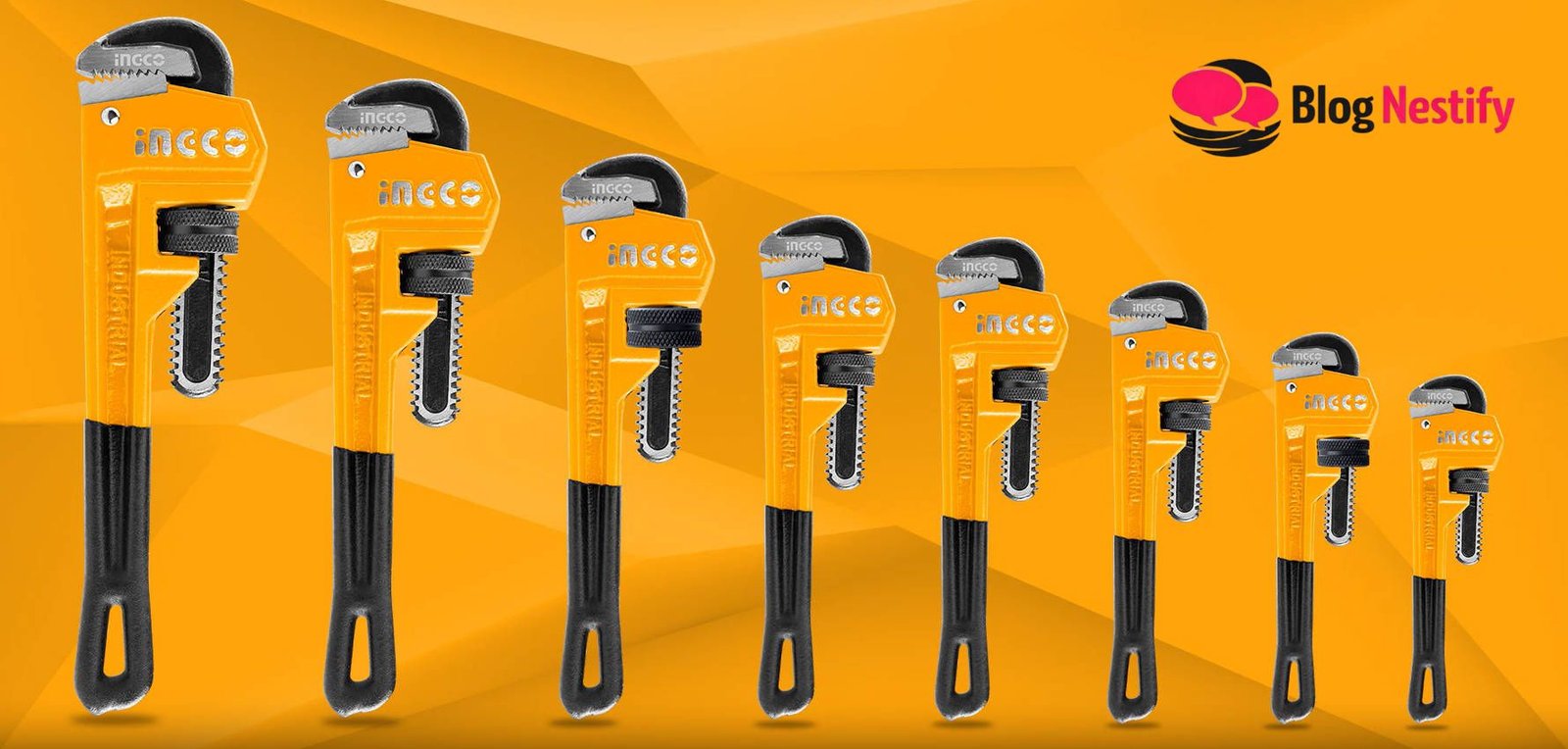
When it comes to DIY repairs, few tools are as essential as a wrench. Whether you’re tightening a loose bolt on a bicycle, assembling furniture, repairing plumbing fixtures, or working on your vehicle, knowing how to use a wrench correctly can save time, prevent damage, and make every project more efficient.
Many people assume that using a wrench is straightforward. However, improper technique often leads to stripped fasteners, damaged tools, and even injuries. A wrench is designed to provide leverage and control, but it performs best when paired with the right method and proper safety practices.
This guide explains everything you need to know about using a wrench correctly for faster DIY repairs, from choosing the right type to avoiding common mistakes that can slow down your work.
| Label | Information |
|---|---|
| Tool Name | Wrench |
| Tool Type | Hand Tool |
| Main Purpose | Tighten and loosen fasteners |
| Common Uses | DIY repairs and maintenance |
| Suitable For | Nuts and bolts |
| Popular Types | Open-end, box-end, adjustable |
| Skill Level | Beginner to advanced |
| Key Benefit | Provides better leverage |
| Safety Tip | Use the correct size |
| Common Mistake | Using the wrong wrench |
| Maintenance | Clean and store dry |
| Best For | Home, garage, and workshop tasks |
| Efficiency Boost | Speeds up repair work |
Understanding a Wrench
A wrench is a hand tool used to grip, turn, tighten, or loosen nuts, bolts, and other fasteners. It creates mechanical advantage, allowing you to apply more force than you could with your hands alone.
The effectiveness of a wrench depends on three factors:
- Choosing the correct wrench type
- Matching the wrench size to the fastener
- Applying force properly
When these factors are combined, repairs become faster, safer, and more accurate.
Why Proper Wrench Use Matters
Using a wrench correctly is about more than tightening a bolt.
Proper technique helps prevent rounded bolt heads, damaged threads, and broken components. It also reduces physical strain and minimizes the risk of slips that can cause injuries.
A correctly used wrench improves efficiency, extends tool life, and delivers professional-quality results.
Many DIY enthusiasts waste valuable time struggling with stuck fasteners simply because they are using the wrong wrench or applying force incorrectly.
Common Types of Wrenches
Before learning proper usage techniques, it helps to understand the most common wrench types.
Open-End Wrench
An open-end wrench features U-shaped openings on both ends.
It is useful for reaching nuts and bolts in tight spaces where a socket cannot fit. Because it grips only two sides of a fastener, it is generally better for light-duty tasks.
Box-End Wrench
A box-end wrench completely surrounds the fastener.
This design provides a stronger grip and reduces the likelihood of slipping. It is often preferred for stubborn or tightly secured bolts.
Combination Wrench
A combination wrench includes an open end on one side and a box end on the other.
This versatile design makes it one of the most commonly used tools in home workshops and garages.
Adjustable Wrench
An adjustable wrench features movable jaws that can fit multiple fastener sizes.
While convenient, it should be used carefully because loose jaw adjustment can damage fasteners.
Socket Wrench
A socket wrench uses interchangeable sockets attached to a ratcheting handle.
This type allows rapid tightening and loosening, making it ideal for automotive repairs and larger DIY projects.
Torque Wrench
A torque wrench is designed to apply a precise amount of force.
It is commonly used in automotive, mechanical, and engineering applications where accurate tightening specifications are critical.
Choosing the Right Wrench
Selecting the correct wrench is one of the most important steps in any repair.
Using a wrench that is too large can cause slipping and damage. A wrench that is too small simply will not fit.
Always check the size of the nut or bolt before selecting your tool.
Fasteners generally fall into two measurement systems:
- Metric sizes
- SAE (Standard) sizes
Mixing these systems often results in poor fitment.
A properly sized wrench should fit snugly without excessive movement.
Taking a few extra seconds to choose the correct size can save significant repair time later.
Safety Before Starting
Safety should always come first during DIY repairs.
Even simple jobs can cause injuries when tools are used carelessly.
Before beginning, inspect your wrench for signs of wear or damage. Cracks, bent jaws, excessive rust, or rounded gripping surfaces can compromise performance.
Wear safety glasses whenever there is a risk of flying debris or slipping tools.
Keep your work area clean and well-lit. Good visibility helps ensure accurate tool placement and reduces mistakes.
If working with machinery or vehicles, ensure components are stable and properly secured before applying force.
How to Position the Wrench Correctly
Correct positioning is essential for efficient operation.
Place the wrench fully onto the fastener so the jaws or gripping surfaces make maximum contact.
Partial engagement increases the risk of slipping and damaging the fastener.
When possible, position the wrench so that force is applied toward the strongest side of the tool.
Proper alignment helps distribute pressure evenly and improves control.
The more contact the wrench has with the fastener, the less likely it is to slip.
This simple principle dramatically improves both safety and efficiency.
Pull Instead of Push
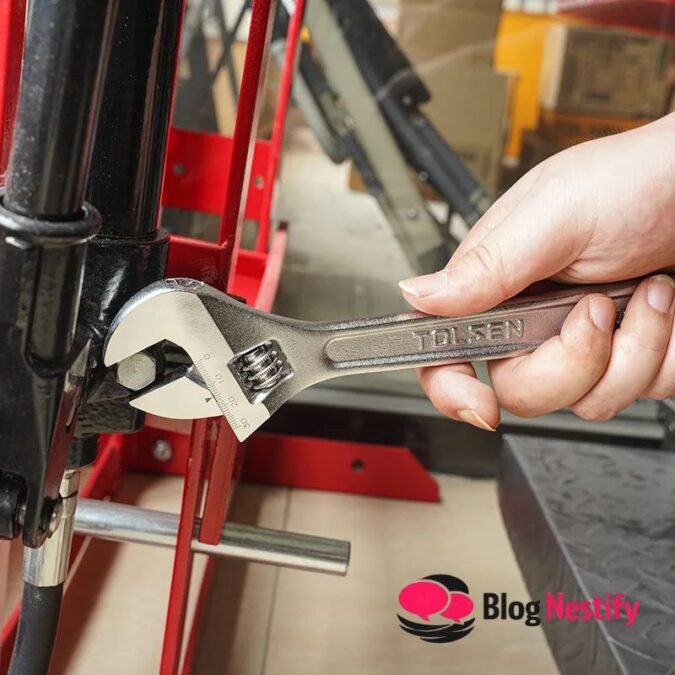
One of the most widely recommended practices among experienced mechanics is to pull a wrench rather than push it whenever possible.
Pulling provides better balance and control.
If the wrench slips unexpectedly, your body is less likely to strike nearby surfaces or sharp objects.
Pushing often causes loss of balance, especially when significant force is required.
While some repair situations may require pushing, pulling should generally be your first choice.
This technique alone can reduce injuries and improve precision.
Apply Steady Pressure
Many DIY users make the mistake of applying sudden force.
Jerking the wrench can strip threads, damage fasteners, and cause the tool to slip.
Instead, apply smooth and steady pressure.
Gradually increasing force allows the fastener to respond more predictably and gives you better control over the repair.
If a fastener does not move, stop and investigate rather than forcing it.
Rust, corrosion, or thread-locking compounds may be preventing movement.
Dealing With Stuck Fasteners
Stubborn fasteners are common in DIY projects.
When a bolt refuses to move, excessive force is rarely the best solution.
Instead, try these proven approaches:
- Apply penetrating oil
- Allow the lubricant time to work
- Clean visible rust
- Use a box-end or socket wrench for maximum grip
- Increase leverage carefully
Patience often saves more time than brute force.
Rushing can easily lead to broken bolts, stripped threads, and expensive repairs.
Avoid Over-Tightening
Many people assume tighter is always better.
In reality, over-tightening is one of the most common causes of damaged fasteners and components.
Excessive force can stretch threads, crack materials, and make future maintenance difficult.
When tightening, stop once the fastener is secure and properly seated.
For applications requiring precise specifications, use a torque wrench according to manufacturer recommendations.
Proper tightening creates security without causing unnecessary stress on components.
Common Mistakes to Avoid
Even experienced DIY enthusiasts occasionally develop bad habits.
Avoiding these mistakes can significantly improve repair speed and results.
Using the Wrong Size
An incorrect wrench size increases slipping and damages fasteners.
Always verify the fit before applying force.
Using Damaged Tools
Worn or bent wrenches reduce grip and increase accident risk.
Replace damaged tools immediately.
Adding Unsafe Extensions
Some people slide pipes over wrench handles to create additional leverage.
While this may seem effective, it can damage the tool and create safety hazards.
Poor Tool Alignment
Crooked positioning concentrates pressure unevenly and increases slipping.
Always align the wrench squarely with the fastener.
Ignoring Maintenance
Dirty or rusted tools perform poorly and wear out faster.
Regular maintenance improves reliability.
Tips for Faster DIY Repairs
Efficiency comes from preparation and technique.
Professional technicians often complete repairs quickly because they follow consistent habits.
Keep frequently used wrench sizes within easy reach.
Organize tools before starting a project.
Clean fasteners before attempting removal.
Use penetrating lubricant when corrosion is present.
Choose ratcheting wrenches or socket sets when appropriate.
These small improvements can dramatically reduce repair time.
The fastest repairs are usually the result of good preparation rather than rushing.
Maintaining Your Wrench
Proper maintenance extends the life of your tools and ensures reliable performance.
After each use, wipe away dirt, grease, and moisture.
Store wrenches in a dry environment to prevent corrosion.
Inspect gripping surfaces regularly for wear.
Apply a light protective oil coating if tools will be stored for extended periods.
Organized storage also prevents accidental damage and makes tools easier to locate during future projects.
A well-maintained wrench can remain effective for many years.
When a Wrench Is Not the Best Tool
Although versatile, a wrench is not always the ideal choice.
Socket sets often provide better speed and access in confined spaces.
Pliers should only be used when appropriate, as they can damage fasteners.
Torque wrenches are necessary when precise tightening values are required.
Selecting the most suitable tool for each task improves both efficiency and results.
Professional-quality repairs often depend on choosing the right tool rather than relying on a single solution.
Frequently Asked Questions
What is the correct way to hold a wrench?
Grip the handle firmly and position the wrench fully on the fastener. Apply force smoothly while maintaining proper alignment.
Is it better to push or pull a wrench?
Pulling is generally safer and offers better control. However, some situations may require pushing due to limited space.
Why does my wrench keep slipping?
The most common causes are incorrect sizing, worn tools, poor positioning, or damaged fasteners.
Can an adjustable wrench replace all other wrenches?
No. Adjustable wrenches are versatile but typically provide less secure grip than correctly sized fixed wrenches.
How often should I replace a wrench?
Quality wrenches can last for decades when maintained properly. Replace them if they become cracked, bent, excessively worn, or damaged.
Conclusion
Learning how to use a wrench correctly is one of the most valuable skills for any DIY enthusiast. While the tool itself is simple, proper technique makes a significant difference in safety, efficiency, and repair quality.
By selecting the correct wrench, ensuring a proper fit, applying steady pressure, and avoiding common mistakes, you can complete repairs faster and with greater confidence. Regular maintenance and safe working habits further enhance performance and extend the life of both your tools and the components you work on.
Whether you’re repairing household fixtures, maintaining equipment, or tackling automotive projects, mastering proper wrench use will help you achieve cleaner, safer, and more professional results every time.
Frequently Asked Questions
What is the correct way to use a wrench?
The correct way to use a wrench is to choose the right size, fit it securely on the fastener, and apply steady pressure. Pulling the wrench instead of pushing often provides better control and reduces the risk of slipping.
Which type of wrench is best for DIY repairs?
A combination wrench is one of the best options for DIY repairs because it includes both an open end and a box end. For faster work on multiple fasteners, a socket wrench is also highly effective.
Why does my wrench keep slipping off the bolt?
A wrench usually slips because it is the wrong size, not fully seated on the fastener, or the bolt head is worn. Using the correct wrench and ensuring a snug fit can prevent slipping.
Can I use an adjustable wrench for all repair jobs?
An adjustable wrench is versatile, but it is not ideal for every task. Fixed-size wrenches generally provide a stronger grip and reduce the chance of damaging nuts and bolts.
How can I make DIY repairs faster with a wrench?
Using the correct wrench size, organizing tools beforehand, applying penetrating oil to stuck fasteners, and maintaining your tools regularly can help complete repairs more quickly and efficiently.
