

Introduction
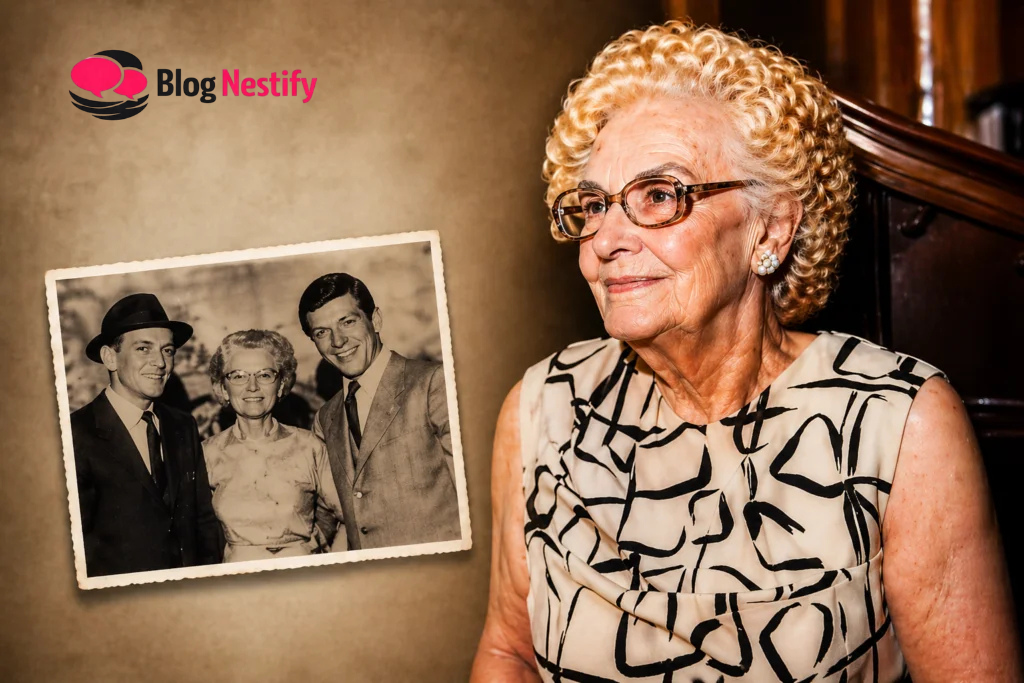
Hazel Vorice McCord is not a household name in the way many celebrities are, yet her life remains an important part of American family and entertainment history. While she lived largely outside the public spotlight, her influence can still be seen through the generations that followed her, particularly through her famous sons, Dick Van Dyke and Jerry Van Dyke.
Born during the closing years of the nineteenth century, Hazel witnessed some of the most significant changes in modern history. She lived through economic upheavals, world wars, technological revolutions, and dramatic social transformations. Her story offers a glimpse into the experiences of countless American women whose contributions were made through family, community, and perseverance rather than public recognition.
Although historical records about Hazel Vorice McCord are limited, the information that survives paints a picture of a resilient woman who valued hard work, family, and responsibility. Her life serves as a reminder that many lasting legacies are built quietly, far from the spotlight.
BIO
| Label | Information |
|---|---|
| Full Name | Hazel Vorice McCord |
| Known For | Mother of Dick and Jerry Van Dyke |
| Birth Date | October 6, 1896 |
| Birth Place | East Lynn, Illinois, USA |
| Nationality | American |
| Parents | Charles Cornelius McCord and Adeline Neal McCord |
| Profession | Stenographer and Educator |
| Spouse | Loren Wayne Van Dyke |
| Children | Dick Van Dyke, Jerry Van Dyke, and siblings |
| Era | Early and Mid-20th Century |
| Legacy | Strong family influence and values |
| Death Date | September 27, 1992 |
| Age at Death | 95 years |
Early Life
Hazel Vorice McCord was born on October 6, 1896, in East Lynn, Vermilion County, Illinois. She was the daughter of Charles Cornelius McCord and Adeline Verinda Neal McCord, members of a family rooted in Midwestern values and traditions.
Growing up in rural Illinois at the turn of the twentieth century meant experiencing a world very different from the one we know today. Communities were close-knit, daily life revolved around family and local activities, and modern conveniences were still developing.
Hazel’s childhood unfolded during a period when America was rapidly changing. The country was transitioning from an agricultural society toward industrial growth. New inventions, expanding transportation networks, and social changes were reshaping everyday life.
Despite these transformations, family remained the foundation of community life. The values Hazel learned during her early years responsibility, determination, and loyalty—would remain central throughout her life.
Growing Up in a Changing America
The era in which Hazel grew up was marked by remarkable progress. Automobiles were beginning to replace horse-drawn transportation. Telephones were becoming more common. Cities were expanding, and opportunities were increasing across the nation.
For young women of Hazel’s generation, expectations often centered on education, family responsibilities, and community involvement. While opportunities for women were expanding, traditional roles still shaped much of daily life.
Historical records suggest that Hazel received a solid education for her time. Some family sources indicate that she worked as a stenographer and may have also spent time as a teacher, occupations that required literacy, discipline, and organizational skills.
These experiences likely helped develop the strong work ethic and practical mindset that would define much of her adult life.
Marriage and Family Life
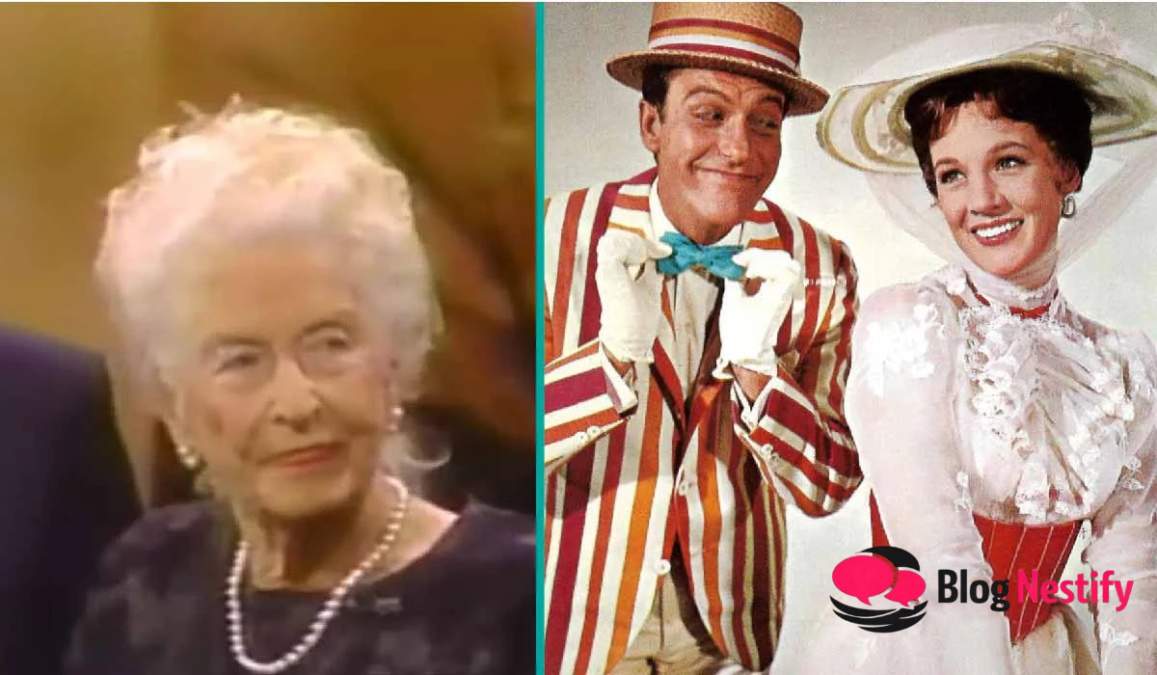
One of the most important chapters in Hazel Vorice McCord’s life began when she married Loren Wayne Van Dyke, often known by the nickname “Cookie.” Loren worked as a salesman and was known for his outgoing personality.
Together, Hazel and Loren built a family rooted in stability and mutual support. Their marriage lasted through decades that included economic uncertainty, national crises, and significant cultural change.
Like many couples of their generation, they faced challenges that required sacrifice and resilience. Yet they remained committed to creating a supportive home environment for their children.
Family was at the center of Hazel’s life. Her greatest legacy would ultimately emerge through the values and guidance she provided to her sons.
Raising Future Entertainers
Hazel Vorice McCord is perhaps best known today as the mother of Dick Van Dyke and Jerry Van Dyke, two performers who would later become beloved figures in American entertainment.
Dick Van Dyke became one of television and film’s most recognizable personalities through projects such as The Dick Van Dyke Show, Mary Poppins, and numerous other productions. Jerry Van Dyke also built a successful acting and comedy career, earning recognition for his work in television and entertainment.
Long before either son achieved fame, however, they were simply children growing up in a Midwestern household guided by their parents’ values.
Many biographical accounts of the Van Dyke family describe a home where humor, kindness, and creativity were encouraged. While Hazel remained largely outside public attention, her role in creating that environment was undoubtedly significant.
Parents often influence the confidence, character, and ambitions of their children. In Hazel’s case, her steady presence helped provide the foundation from which her sons would pursue their dreams.
Life During Historic Events
One of the most fascinating aspects of Hazel Vorice McCord’s story is the extraordinary period of history she experienced.
When she was born in 1896, America looked vastly different from the nation it would become by the time of her death in 1992.
During her lifetime, she witnessed:
- The rise of automobiles
- The spread of electricity
- World War I
- The Roaring Twenties
- The Great Depression
- World War II
- The Civil Rights Movement
- The Space Age
- The emergence of television
- The beginnings of the digital era
Few generations experienced such dramatic transformation.
For someone raised in a rural nineteenth-century community, seeing humanity land on the moon and watching television become a household necessity must have seemed extraordinary.
Hazel’s life therefore represents more than an individual story. It reflects the experiences of an entire generation that helped bridge two very different centuries.
Work and Contributions
Unlike celebrities or public figures, Hazel Vorice McCord’s professional life was not extensively documented.
Historical and genealogical sources suggest she worked as a stenographer and may have also been involved in education. While records remain limited, these occupations were respected professions for women during the early twentieth century.
Stenographers played an essential role in offices, businesses, and government organizations. The work required precision, communication skills, and attention to detail.
Teaching was equally important, helping shape future generations through education and mentorship.
Whether through professional work, homemaking responsibilities, or community involvement, Hazel contributed to society in ways that were common for women of her era yet often overlooked by historical records.
Her story highlights an important truth: not every meaningful contribution receives public recognition.
The Strength Behind the Family
Many biographies focus on famous individuals while overlooking the people who helped shape them. Hazel Vorice McCord belongs to that often-unrecognized group.
Behind many successful people are parents, mentors, and family members who provide encouragement during formative years. These influences may never receive awards or headlines, but their impact can be profound.
Hazel’s influence appears to have been rooted in stability, discipline, and care. She lived through difficult economic periods, including the Great Depression, while helping maintain a supportive home environment.
Such resilience was common among women of her generation. Their ability to adapt, sacrifice, and persevere helped countless families survive challenging times.
Hazel’s legacy is therefore connected not only to her children but also to the broader story of American families during the twentieth century.
Why People Continue to Search for Hazel Vorice McCord
Interest in Hazel Vorice McCord has grown in recent years for several reasons.
First, many people researching the family history of Dick Van Dyke and Jerry Van Dyke naturally become curious about their parents and ancestors.
Second, genealogy has become increasingly popular. Online databases, family history platforms, and historical archives have encouraged people to explore family connections and uncover forgotten stories.
Third, Hazel represents a type of historical figure that many readers find compelling: someone whose influence was significant despite not seeking public attention.
Her life reminds us that history is shaped not only by celebrities and political leaders but also by ordinary individuals whose actions affected those around them.
Lasting Legacy
The true measure of a person’s legacy is not always found in wealth, fame, or public recognition.
For Hazel Vorice McCord, legacy can be seen in the family she helped build and the values she passed on to future generations.
Her descendants became part of American entertainment history, bringing laughter and joy to millions of people. While their achievements belong to them, the environment that nurtured their talents was shaped in part by Hazel’s guidance and support.
Her legacy also survives through historical records, family memories, and ongoing genealogical research.
As more people explore family histories and seek to understand the lives of previous generations, stories like Hazel’s continue to gain importance.
Lessons From Hazel Vorice McCord’s Life
Several valuable lessons emerge from Hazel Vorice McCord’s story.
The importance of family: Much of her life was devoted to supporting and nurturing those around her.
Resilience during change: She lived through some of the most turbulent periods in modern history and adapted to each new challenge.
Quiet influence matters: Not all impactful lives are lived in public view. Many of the most important contributions happen behind the scenes.
Legacy extends beyond fame: A person’s influence can continue for generations through values, relationships, and guidance.
These lessons help explain why people remain interested in her story today.
Frequently Asked Questions
Who was Hazel Vorice McCord?
Hazel Vorice McCord was an American woman best known as the mother of actors Dick Van Dyke and Jerry Van Dyke. She lived from 1896 to 1992 and played an important role in her family’s history.
Why is Hazel Vorice McCord remembered today?
Many people remember Hazel Vorice McCord because of her connection to the Van Dyke family and her influence on future generations. Her life also interests those researching genealogy and family history.
Where was Hazel Vorice McCord born?
Hazel Vorice McCord was born on October 6, 1896, in East Lynn, Vermilion County, Illinois, United States.
What was Hazel Vorice McCord’s profession?
Historical records indicate that Hazel Vorice McCord worked as a stenographer and may have also been involved in teaching during her early years.
What is the legacy of Hazel Vorice McCord?
Hazel Vorice McCord’s legacy lives on through her family, particularly her famous sons, and through the values of resilience, dedication, and family support that defined her life.
Final Years
Hazel Vorice McCord lived a remarkably long life. She passed away on September 27, 1992, at the age of 95.
By the time of her death, she had witnessed nearly an entire century of transformation. From the horse-and-buggy era to modern technology, her lifetime spanned one of the most dynamic periods in human history.
Her passing marked the end of a remarkable journey, but her story did not disappear. Through family records, historical archives, and the accomplishments of her descendants, her memory continues to endure.
Conclusion
Hazel Vorice McCord may never have sought fame, but her life remains worthy of recognition. Born in rural Illinois in 1896, she experienced nearly a century of American history while dedicating herself to family, responsibility, and perseverance.
As the mother of Dick Van Dyke and Jerry Van Dyke, she played an important role in a family that would later leave a lasting mark on entertainment history. Yet her significance extends beyond those connections.
Her story represents the countless women whose contributions helped shape families, communities, and future generations without attracting public attention.
Today, Hazel Vorice McCord is remembered not for celebrity status or public achievements, but for the enduring influence she had on the people around her. In many ways, that quiet legacy is the most meaningful one of all.
