

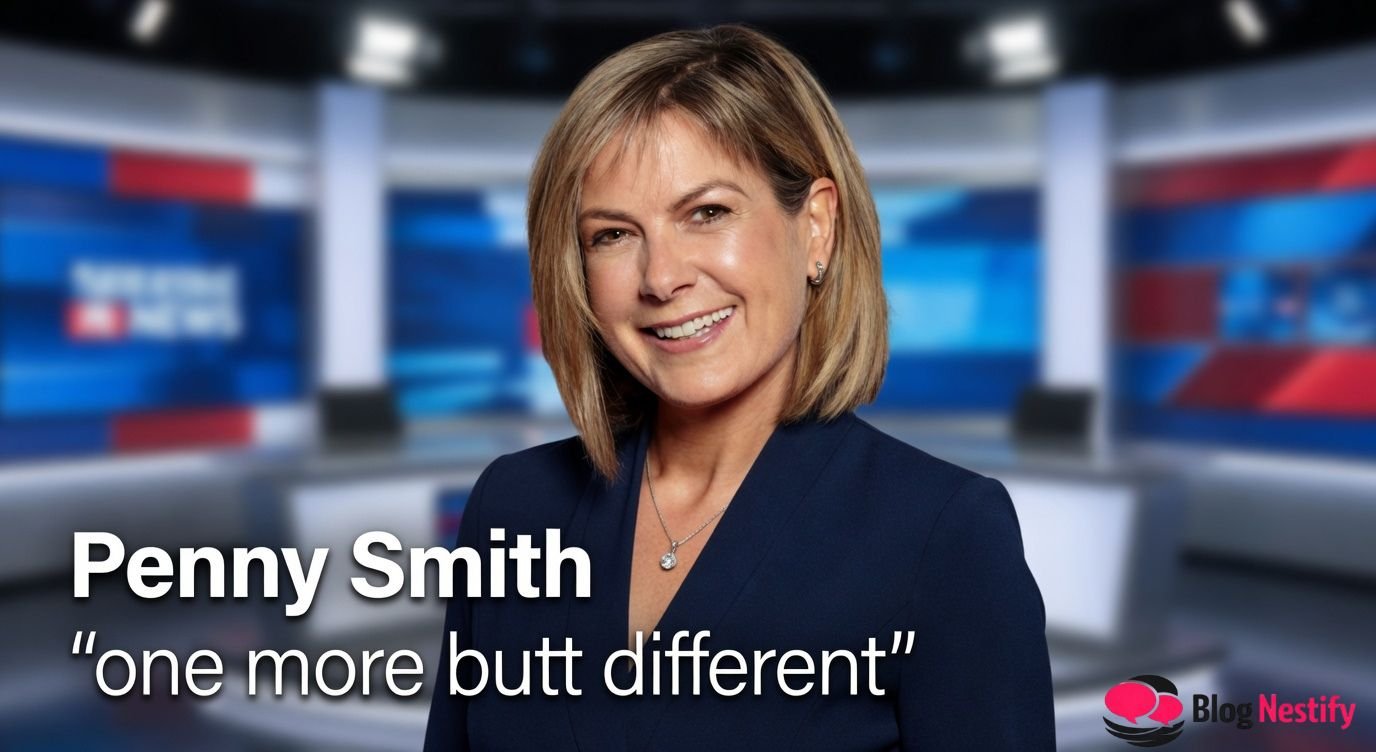
Penny Smith has remained one of the familiar names in British broadcasting because her appeal has never depended on one single role. She is known as a television presenter, radio presenter, newsreader, journalist, and author. For many viewers, she became a trusted part of morning television through her years on GMTV. For others, her voice and personality are connected with radio, interviews, arts programmes, and light entertainment.
What makes her stand out is not only her long career, but the way she has carried herself throughout it. She has always had a natural mix of warmth, intelligence, humour, and professionalism. In an industry that changes quickly, that kind of balance matters. Audiences often remember presenters who make information feel clear, calm, and human. Penny Smith has done that for decades.
BIO
| Label | Information |
|---|---|
| Full Name | Penny Smith |
| Profession | TV and Radio Presenter |
| Known For | GMTV Morning Television |
| Nationality | British |
| Career Field | Broadcasting and Journalism |
| Famous Role | Breakfast TV Presenter |
| Presentation Style | Warm and Professional |
| Media Experience | TV, Radio, and Writing |
| Popular Traits | Calm, Friendly, Intelligent |
| Main Audience | British Television Viewers |
| Career Strength | Trusted Communication |
| Industry Reputation | Respected Broadcaster |
Who Is Penny Smith?
Penny Smith, born Penelope Jane Smith, is an English broadcaster and journalist from Nottinghamshire. Her career began in print journalism before she moved into radio and television. That early journalistic background helped shape the clear and confident style that later became familiar to viewers across the UK.
Before becoming a national television figure, she worked as a reporter and feature writer. This experience gave her a strong understanding of stories, people, timing, and tone. Unlike presenters who only focus on performance, Penny Smith built her career from the foundations of journalism. That is one reason her presenting style has always felt informed rather than forced.
Her path into broadcasting also shows versatility. She worked across local news, national television, radio, and lifestyle programming. This wide experience helped her become more than just a newsreader. She became a media personality with range.
Her Career Journey
Penny Smith’s career developed gradually, and that is part of what makes it impressive. She did not become known overnight. She worked through different levels of media, learning how to communicate with different audiences.
After her early work in newspapers, she moved into broadcasting roles, including radio and regional television. She later became associated with Sky News before joining GMTV in 1993. That move introduced her to a much wider audience and made her a regular part of British breakfast television.
Her long run on GMTV is one of the most important parts of her career. Morning television requires a special skill. A presenter must be alert, clear, warm, and professional at a time when viewers are starting their day. Penny Smith managed to deliver serious news while still feeling approachable.
That balance helped her become a trusted face. She could handle news stories with seriousness, but she also had enough lightness and humour to suit the breakfast television format.
Why GMTV Mattered

GMTV played a major role in making Penny Smith a household name. For many people, she was part of their morning routine. Viewers would see her while getting ready for work, preparing children for school, or catching up on the day’s first headlines.
This kind of regular presence builds a different relationship with audiences. People do not just watch a morning presenter once. They see them repeatedly, often over many years. Trust grows through consistency.
Penny Smith’s time on GMTV showed her ability to work in a fast-moving live environment. Live television can be unpredictable. Interviews can change direction, breaking news can interrupt plans, and technical issues can happen without warning. A strong presenter must remain composed. Penny Smith’s calmness helped her handle those moments naturally.
Her GMTV years also showed her personality. She was professional, but not distant. She could be serious when needed, but she did not appear cold or overly formal. That made her easier for audiences to connect with.
Her Natural Screen Presence
One of Penny Smith’s strongest qualities is her natural screen presence. Some presenters feel overly polished or rehearsed. Penny Smith has often come across as more relaxed and conversational. That does not mean casual in a careless way. It means she understands how to speak to viewers like real people.
A good television presenter needs more than a clear voice. They need timing, expression, listening skills, and emotional awareness. Penny Smith has shown all of these qualities throughout her career.
Her warmth is a major part of her appeal. Viewers respond to presenters who seem genuine. When someone appears comfortable in themselves, audiences often feel comfortable watching them. Penny Smith’s confidence has usually felt steady rather than showy, which has helped her maintain long-term respect.
A Trusted Communicator
Trust is essential in broadcasting. Viewers need to believe that the person speaking to them is informed, fair, and capable. Penny Smith earned that trust through years of consistent work.
Her background in journalism helped her present information clearly. She has experience with news, interviews, radio discussion, and entertainment formats. This variety shows that she can adapt her tone depending on the subject.
When dealing with serious topics, a presenter must avoid sounding dramatic or careless. When dealing with lighter topics, they must avoid sounding stiff. Penny Smith’s strength has been her ability to move between these styles without losing her identity.
That flexibility is one reason she has remained relevant. Broadcasting has changed a lot since the early days of her career, but strong communication still matters.
More Than Morning TV
Although many people associate Penny Smith with GMTV, her career extends beyond breakfast television. She has worked in radio, appeared on entertainment programmes, contributed to arts and lifestyle content, and written books.
This wider career shows that she is not limited to one format. Radio, in particular, requires a different skill from television. Without facial expression or visual presence, a presenter must rely on voice, rhythm, and tone. Penny Smith’s move into radio showed another side of her broadcasting ability.
Her work in arts and music-related broadcasting also reflects her personality and interests. Presenters who have genuine interests outside standard news formats often feel more rounded. It gives them depth and makes their public image more memorable.
Her Sense of Humour
Another reason Penny Smith remains liked is her sense of humour. British television audiences often appreciate presenters who can be witty without trying too hard. Humour can make a presenter feel more human, especially in live broadcasting.
Penny Smith has often shown a dry, quick humour that works well on screen and radio. It adds personality without overwhelming the subject. This matters because a presenter should not make every moment about themselves. The best humour supports the conversation rather than distracts from it.
Her humour also helps explain why audiences remember her fondly. People may forget specific interviews or news segments, but they remember how a presenter made them feel. Penny Smith often gave viewers a sense of ease.
Professional but Relatable
The best presenters often share one quality: they feel professional and relatable at the same time. Penny Smith has managed that balance well.
She has the polish expected of a national broadcaster, but she has never seemed unreachable. Her style is intelligent without being intimidating. She can sound informed without sounding superior. That is not easy to achieve.
This relatability is especially important for morning television. Viewers do not want to feel lectured at breakfast. They want clarity, warmth, and confidence. Penny Smith brought those qualities to her work.
Even after leaving GMTV, that public impression stayed with her. A strong broadcasting identity can last because audiences remember authenticity.
Adapting to Media Changes
The media industry has changed dramatically during Penny Smith’s career. Television has moved from traditional scheduled viewing to streaming clips, online interviews, podcasts, social media, and digital radio. Many presenters from earlier television eras have found it difficult to remain visible.
Penny Smith’s career shows adaptation. She moved between television, radio, writing, and public-facing media work. Instead of being tied to one programme, she built a broader reputation.
This adaptability is one of the reasons she still matters today. Modern audiences value presenters who can work across formats. A familiar voice on radio, a confident presence on television, and a thoughtful media personality can all support one another.
Her continued relevance comes from experience, but also from flexibility.
Why Viewers Still Like Her
Viewers still like Penny Smith because she represents a style of broadcasting that feels steady and genuine. In a media world that can sometimes feel loud or overly dramatic, her approach feels measured.
She is not known for building a career on controversy. Instead, she is known for consistency, intelligence, and charm. That makes a difference. Many audiences respect public figures who remain professional over time.
Her appeal also comes from familiarity. People who watched her during the GMTV years may associate her with a particular time in British television. Nostalgia plays a role, but it is not the whole story. If she had not been talented, warm, and credible, that nostalgia would not be as strong.
Her Influence
Penny Smith’s career offers useful lessons for younger broadcasters. She shows that a lasting media career is built on more than visibility. It requires preparation, adaptability, professionalism, and personality.
Her journey from journalism to television and radio shows the value of learning the craft properly. She developed skills across different areas instead of relying on one platform. That gave her career strength.
For aspiring presenters, her work also shows the importance of tone. A presenter does not need to be the loudest person on screen. They need to know how to connect, listen, respond, and guide the audience through a story or conversation.
Personal Qualities Fans Admire
Fans often admire Penny Smith for her calmness, humour, and intelligence. These qualities may seem simple, but together they create a powerful public image.
Calmness helps in news and live television. Humour helps in interviews and entertainment. Intelligence helps in discussion and journalism. When combined with warmth, these traits make a presenter feel trustworthy.
Another admired quality is confidence. Penny Smith’s confidence has never felt overly aggressive. It comes across as experience and self-possession. That kind of confidence is especially valuable in broadcasting because it helps audiences relax.
When a presenter seems in control, viewers feel they are in safe hands.
A Lasting Career
A long career in television and radio is not easy. Audiences change. Programmes end. Media platforms evolve. New presenters arrive all the time. Staying respected through these changes is a real achievement.
Penny Smith’s career has lasted because she has built a reputation on skill rather than short-term attention. She became known through regular, dependable work. She then continued to show range beyond the role that first made her famous.
This kind of career feels more meaningful than quick fame. It is built slowly, through trust and repeated performance. That is why her name still carries recognition.
What Makes Her Beloved?
So, what makes Penny Smith a beloved TV presenter today? The answer is a combination of things. Her long service in British broadcasting matters. Her GMTV years matter. Her natural warmth matters. Her humour, intelligence, and calm delivery matter too.
But perhaps the most important reason is that she feels genuine. Audiences can usually sense when a presenter is forcing a personality. Penny Smith has always seemed comfortable being herself. That comfort makes her easy to watch and easy to remember.
She has also shown that professionalism does not have to feel cold. A presenter can be serious and still warm. They can be experienced and still approachable. They can be polished and still human.
Conclusion
Penny Smith remains a beloved TV presenter because she has built a career on trust, warmth, and versatility. From journalism to television, from GMTV to radio and wider media work, she has shown the kind of steady professionalism that audiences remember.
Her appeal is not based on noise or controversy. It comes from something more lasting: a clear voice, a natural presence, a sharp sense of humour, and the ability to make viewers feel comfortable.
In British broadcasting, that is a rare and valuable quality. Penny Smith’s career continues to stand as an example of how authenticity, skill, and consistency can keep a presenter admired long after their most famous television role.
