

Introduction
Booking tickets for a major event is exciting but choosing the wrong seat can quickly turn that excitement into disappointment. Whether you’re attending a concert, comedy show, or sporting event, understanding the o2 arena seating plan is the key to getting the best experience possible.
Many people rush through the booking process and end up with seats that have poor views, awkward angles, or underwhelming sound. This guide is designed to help you avoid those mistakes. By the end, you’ll know exactly how to read the seating plan, choose the right section, and avoid bad seats every time.
Understanding the O2 Arena Seating Plan
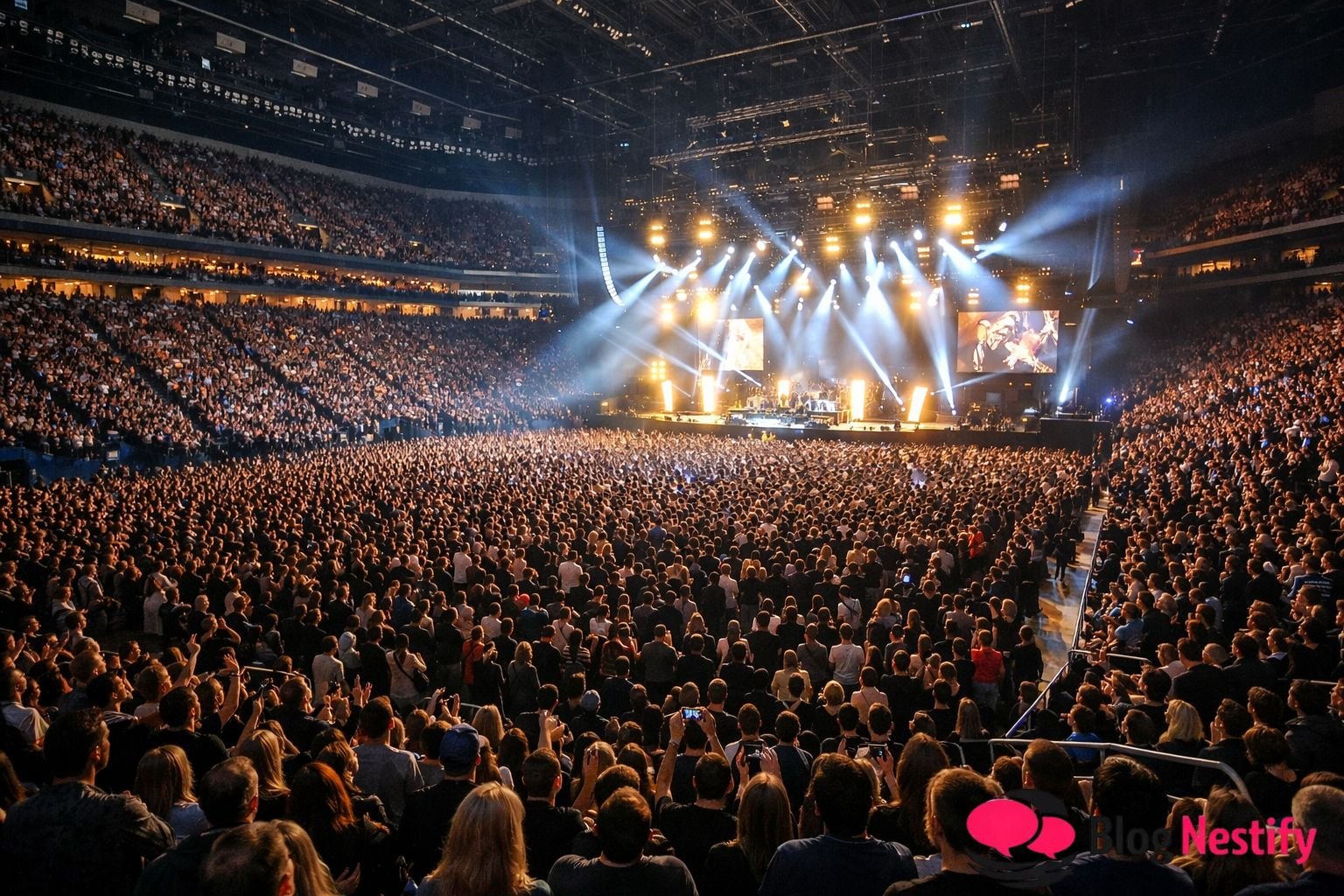
The The O2 Arena is one of the largest indoor venues in the UK, hosting everything from global music tours to sports events. Its seating layout is designed to accommodate different types of shows, which means the setup can change depending on the event.
At its core, the arena is divided into:
- Lower tier seating
- Upper tier seating
- Floor (or standing/seated) areas
- Premium and VIP sections
Each section offers a different experience, and understanding these differences is essential.
For a deeper overview of the venue itself, you can refer to this trusted source:
Lower Tier vs Upper Tier Seating
The lower tier is closer to the stage and generally offers a more immersive experience. You’ll have better visibility of performers and feel more connected to the event.
The upper tier, on the other hand, is higher up but still provides a full view of the arena. These seats are often more affordable and can be a great option if you want a wider perspective of the stage and visuals.
Key takeaway: Lower tier = closer and more engaging. Upper tier = wider view and budget-friendly.
Floor Seating Explained
Floor seating can be one of the most confusing parts of the o2 arena seating plan. Depending on the event, it may be:
- Fully seated
- Fully standing
- A mix of both
Standing floor tickets are popular for concerts because they allow you to get close to the stage. However, if you’re shorter or arrive late, your view may be blocked.
Seated floor options can offer a great central view, but distance from the stage still matters.
VIP and Premium Seating Options
Premium seating includes:
- VIP boxes
- Lounge access
- Priority entry
These options are more expensive but provide comfort, exclusive views, and additional perks. If you’re attending a special event, this can significantly enhance your experience.
What Is the O2 Arena Seating Plan?
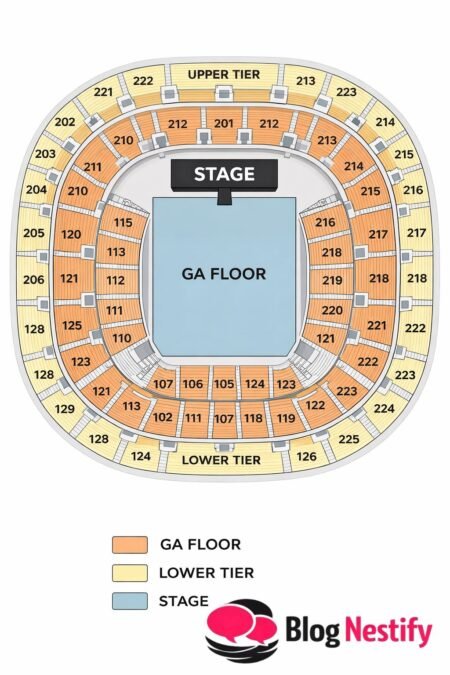
The o2 arena seating plan is a visual layout that shows how seats are arranged for a specific event. It includes:
- Section numbers
- Row placements
- Seat positions
- Stage location
This plan changes depending on the event, which is why it’s important to check the exact layout before booking.
For example, a concert may have a central stage or an end-stage setup, while a sporting event may use a completely different configuration.
How to Read the O2 Arena Seating Plan Like a Pro
Understanding the seating chart isn’t difficult once you know what to look for. Here’s a simple step-by-step guide.
Identify the Stage Position
Always start by locating the stage. This determines:
- Viewing angles
- Distance from performers
- Sound direction
A central stage offers balanced views from most sections, while an end-stage setup makes front-facing seats more valuable.
Check Seat Angles and Distances
Seats directly facing the stage are usually the best. Side-angle seats can be cheaper, but they may limit your view.
Avoid extreme side sections, especially if the stage design includes large screens or equipment that could block your line of sight.
Use Seat Rows and Sections Smartly
Front rows are not always the best. Sometimes:
- Being too close can limit your overall view
- Middle rows offer better balance between distance and perspective
Aim for central sections with moderate row numbers for the best experience.
Best Seats at the O2 Arena for Different Events
Not all events are the same, and your ideal seat depends on what you’re attending.
Best Seats for Concerts
For concerts, the best seats are usually:
- Lower tier, central sections
- Front-facing rows
- Near the sound mix area
These seats provide a perfect balance of sound quality and visuals.
Best Seats for Sports or Shows
For sports or theatrical shows:
- Choose seats with a full view of the stage or arena
- Avoid seats too close to one side
A slightly elevated position often gives a better overall perspective.
Best Budget-Friendly Seats
If you’re on a budget:
- Upper tier center seats are a great option
- Avoid corners or extreme angles
You can still enjoy the event without paying premium prices.
O2 Arena Seating Plan Tips to Avoid Bad Seats
This is where many people go wrong. These practical tips will help you make smarter decisions.
Avoid Extreme Side Seats
Seats on the far sides may seem like a bargain, but they often come with:
- Limited visibility
- Blocked views
- Poor sound balance
Be Careful with Floor Seating
Standing floor tickets can be amazing—but only if you arrive early. Otherwise:
- Taller people may block your view
- You may end up far from the stage
Watch Out for Obstructed Views
Some seats may have:
- Equipment blocking the stage
- Lighting rigs in the way
Always check if your ticket mentions “restricted view.”
Don’t Always Choose the Cheapest Option
Saving money is great, but the cheapest seats can sometimes ruin your experience.
It’s better to spend slightly more for a clear, comfortable view.
Common Mistakes People Make When Booking Seats
Even experienced event-goers make these mistakes.
Ignoring the Seating Map Details
Many people skip the seating chart and book quickly. This often leads to poor seat choices.
Booking Too Late
Waiting too long reduces your options. The best seats are usually taken early.
Not Checking Event-Specific Layouts
Every event has a different setup. A good seat for one show may not be ideal for another.
Real Examples of Good vs Bad Seats
Understanding real scenarios can help you make better choices.
Example of a Great Seat Choice
A lower tier, central seat about halfway back offers:
- Clear view of the stage
- Balanced sound
- Comfortable distance
Example of a Poor Seat Choice
An upper tier corner seat may:
- Have a sharp viewing angle
- Make it hard to see details
- Reduce overall enjoyment
Conclusion
Choosing the right seat at the O2 Arena doesn’t have to be complicated. By understanding the o2 arena seating plan, you can avoid common mistakes and enjoy your event to the fullest.
The key is simple:
- Know the layout
- Check the stage position
- Avoid extreme angles
- Balance price with value
A well-chosen seat can transform your entire experience, turning a good event into a memorable one.
FAQs
What are the best seats in the O2 Arena?
The best seats are usually in the lower tier, central sections, offering a direct and balanced view of the stage.
Is floor seating better than tier seating?
It depends on the event. Floor seating is great for energy and closeness, while tier seating offers a clearer overall view.
Are upper tier seats worth it?
Yes, especially if you choose central sections. They provide a wide perspective at a lower cost.
How do I avoid restricted view seats?
Always check the seating plan carefully and look for any warnings about obstructed or limited views.
Does the seating plan change for every event?
Yes, the layout can vary depending on the type of event, so always review the specific seating plan before booking.
