


Eve Pollard is one of the most respected names in British journalism. Known for her sharp editorial mind, strong personality, and long-standing influence in the media industry, she built a career at a time when national newspaper leadership was still largely dominated by men.
Her story is not only about newspapers and magazines. It is also about ambition, resilience, reinvention, and the changing role of women in British media. From her early days in magazines to becoming one of the first women to edit a national newspaper, Eve Pollard’s career remains an important chapter in modern journalism.
BIO
| Label | Information |
|---|---|
| Full Name | Eve Pollard |
| Birth Name | Evelyn Pollak |
| Birth Year | 1943 |
| Birth Place | Paddington, London, England |
| Nationality | British |
| Profession | Journalist, Editor, Author |
| Known For | British newspaper editing |
| Notable Role | Editor of the Sunday Mirror |
| Other Major Role | Editor of the Sunday Express |
| Industry | Journalism and Media |
| Spouse | Nicholas Lloyd |
| Children | Claudia Winkleman and Oliver Lloyd |
| Honors | OBE for services to journalism |
Who Is Eve Pollard?
Eve Pollard is a British journalist, editor, author, broadcaster, and media commentator. She was born Evelyn Pollak in London in 1943 and later became widely known by her professional name, Eve Pollard.
Over the years, she has worked across newspapers, magazines, television, radio, and public speaking. Her name is closely connected with Fleet Street, the historic home of British newspaper journalism. Because of her influence and success, she has often been described as the “First Lady of Fleet Street.”
That title reflects more than fame. It points to her role as a woman who reached senior editorial positions when such opportunities were rare for women.
Early Life
Eve Pollard was born in Paddington, London, into a Jewish family. Her family background was shaped by the upheavals of Europe during the Second World War. Her mother came from Austria, while her father was Hungarian.
Growing up in post-war London gave Pollard a sharp awareness of society, culture, and public life. These experiences helped shape her curiosity, confidence, and interest in people’s stories.
She attended a girls’ grammar school in London, where her interest in journalism began to grow. At a young age, she developed a love of newspapers, writing, and communication. That early passion would later become the foundation of a remarkable media career.
Starting in Journalism
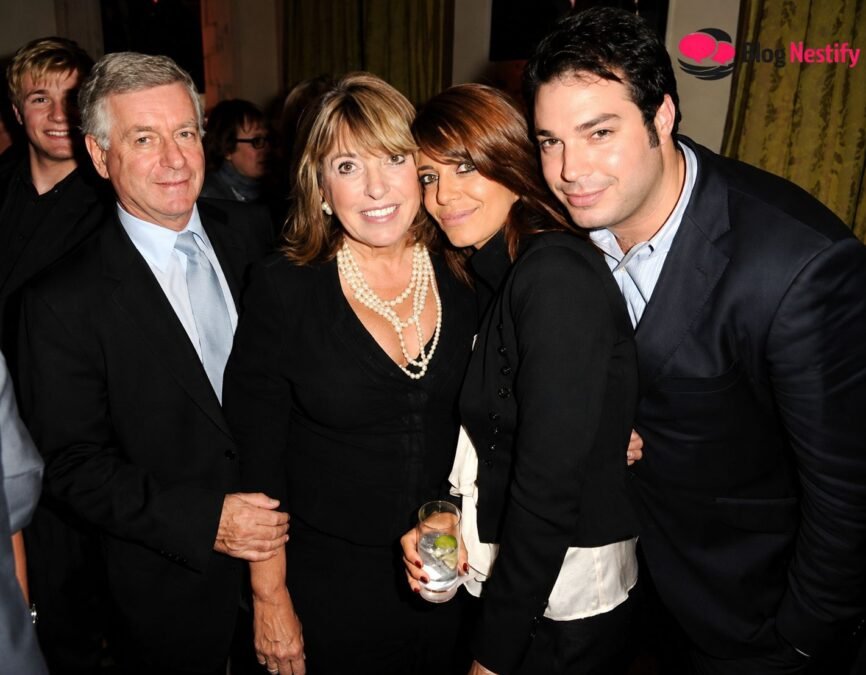
Eve Pollard began her career in magazines, working at Honey magazine. This was an important starting point because Honey was aimed at young women and reflected the changing culture of the 1960s.
Pollard did not enter journalism at the top. She worked her way up, learning the craft through editing, writing, fashion coverage, and understanding what readers wanted. By 1967, she had become fashion editor at Honey.
This early experience gave her a strong sense of style, audience, and presentation. These skills became central to her later success as an editor. She understood that journalism was not only about information. It was also about tone, timing, personality, and connection with readers.
Moving Into Newspapers
After her magazine work, Eve Pollard moved into newspapers, including the Daily Mirror. This step marked a major shift in her career. Newspaper journalism was faster, tougher, and more competitive than magazine publishing.
In the world of British tabloids, editors had to understand headlines, public mood, politics, celebrity culture, and human-interest stories. Pollard proved that she could handle this demanding environment.
Her work showed a rare ability to combine editorial instinct with commercial awareness. She understood what made readers turn the page, but she also understood the responsibility that came with shaping public conversation.
A Breakthrough Editor
One of the most important moments in Eve Pollard’s career came when she became editor of the Sunday Mirror in 1987. This was a major achievement, especially because very few women had reached the editor’s chair at a British national newspaper.
Her appointment was not just a personal success. It was also a symbolic moment for women in journalism. Pollard showed that women could lead major newsrooms, make bold editorial decisions, and compete at the highest level of British media.
She edited the Sunday Mirror until 1991. After that, she became editor of the Sunday Express, continuing her influence in national newspapers.
Leading in a Male-Dominated Industry
Eve Pollard’s rise was impressive because she succeeded in a media culture that was often difficult for women. British newspapers in the second half of the twentieth century were known for their intense pressure, tough personalities, and male-dominated leadership.
Pollard had to earn respect in rooms where women were often underestimated. She did this through confidence, skill, and persistence. She was not only a visible woman in journalism; she was a decision-maker.
Her career helped challenge old assumptions about who could run a newsroom. For many younger women entering journalism, Pollard became proof that senior editorial leadership was possible.
Work in Magazines
Although Eve Pollard is best known for newspapers, magazines also played a major role in her career. In 1985, she became launch editor-in-chief of Elle magazine in the United States.
This was another important achievement. Launching a magazine requires more than editing articles. It involves building an identity, understanding a market, choosing the right voice, and creating something readers will recognize immediately.
Pollard also worked on major newspaper supplements and lifestyle publications, including Sunday magazine for the News of the World and You magazine for the Mail on Sunday. These roles showed her versatility across different formats and audiences.
Television and Broadcasting
Eve Pollard’s media career expanded beyond print. She worked in television, including as features editor for TV-am in the early 1980s. She also devised the television series Frocks on the Box, which focused on fashion and style.
Her television work helped bring her editorial personality to a wider audience. Later, she became a familiar commentator on radio and television, appearing on programs where her knowledge of journalism, media, and public life made her a trusted voice.
This ability to move between newspapers, magazines, and broadcasting is one reason Eve Pollard has remained relevant for so long.
Women in Journalism
One of Eve Pollard’s most lasting contributions is her role in founding Women in Journalism in 1992. The organization was created to support women working in the media industry.
At the time, many women in journalism still faced limited access to senior roles, informal networks, and career support. Pollard understood that talent alone was not always enough. Women also needed mentoring, visibility, contacts, and collective support.
Women in Journalism became an important network for female journalists, editors, broadcasters, and writers. Pollard served as its first chair and later became honorary president.
This part of her career shows that her influence was not only about her own success. She also worked to create space for others.
Awards and Recognition
Eve Pollard’s achievements have been recognized formally. In 2008, she was appointed Officer of the Order of the British Empire, known as OBE, for services to journalism.
This honor reflected her long contribution to British media, her leadership in newspapers, and her wider role in public communication.
In 2019, she received the Journalist Laureate award from the London Press Club. This recognition celebrated her decades of work as an editor, broadcaster, and supporter of women in the industry.
Awards do not define a career by themselves, but in Pollard’s case, they confirm the respect she earned across journalism.
Writing and Books
Eve Pollard is also an author. She wrote a biography of Jacqueline Kennedy Onassis titled Jackie, published early in her career. She later co-wrote several novels, including titles such as Splash, Best of Enemies, Double Trouble, and Unfinished Business.
Her writing career reflects her understanding of character, society, and public fascination. Whether working in journalism or fiction, Pollard has always shown an interest in people, image, ambition, and power.
This literary side adds another layer to her career. She was not only an editor managing other people’s work. She was also a writer with her own voice.
Personal Life
Eve Pollard’s personal life has also attracted public interest. She was married to Barry Winkleman, and their daughter is the well-known television presenter Claudia Winkleman.
Later, Eve Pollard married Nicholas Lloyd, a former editor of the Daily Express. Their shared background in journalism made them one of the notable media couples of their generation.
While public attention often connects Pollard to her famous daughter, her own career stands strongly on its own. She made her name through decades of work before Claudia became a major television personality.
Why Eve Pollard Matters
Eve Pollard matters because she helped change expectations in British journalism. She entered the industry at a time when women were often pushed toward softer roles, yet she rose to lead national newspapers.
Her career shows the importance of confidence, adaptability, and editorial judgment. She moved from magazines to newspapers, from print to television, and from personal achievement to industry advocacy.
She also understood readers. That skill is sometimes underestimated, but it is one of the most important qualities an editor can have. A good editor knows what people care about, what they are curious about, and how to present stories in a way that feels alive.
Her Legacy
The legacy of Eve Pollard is not limited to the titles she edited. It can be seen in the women she inspired, the newsroom barriers she helped break, and the conversations she shaped about gender and media.
She became a visible example of female leadership in a profession that badly needed more of it. Her founding role in Women in Journalism gave practical support to future generations, making her influence both professional and personal.
Today, when people search for Eve Pollard, they often want to know more than basic biography. They want to understand why her name still matters. The answer is clear: she was a pioneer, a strong editor, a media personality, and a supporter of women’s progress in journalism.
Frequently Asked Questions
Who is Eve Pollard?
Eve Pollard is a British journalist, editor, author, and broadcaster known for her influential role in national newspapers and magazines.
Why is Eve Pollard famous?
She is best known for becoming one of the first women to edit major British national newspapers and for her long-standing contribution to journalism.
Is Eve Pollard related to Claudia Winkleman?
Yes. Eve Pollard is the mother of television presenter Claudia Winkleman, one of the UK’s most recognizable TV personalities.
What newspapers did Eve Pollard edit?
During her career, Eve Pollard served as editor of the Sunday Mirror and the Sunday Express, among other senior editorial positions.
What is Eve Pollard’s legacy in journalism?
Her legacy includes breaking barriers for women in media, leading influential publications, and helping establish Women in Journalism to support future generations.
Conclusion
Eve Pollard’s career is remarkable because it covers so many parts of the media world. She began in magazines, rose through newspapers, edited national titles, worked in television, wrote books, and helped create a stronger network for women in journalism.
Her story is one of talent and timing, but also courage. She entered difficult spaces, proved herself repeatedly, and used her position to support others.
For anyone interested in British journalism, women in media, or the history of Fleet Street, Eve Pollard remains an important figure. Her career shows how one determined journalist can shape an industry and leave a legacy that lasts far beyond the newsroom.
