

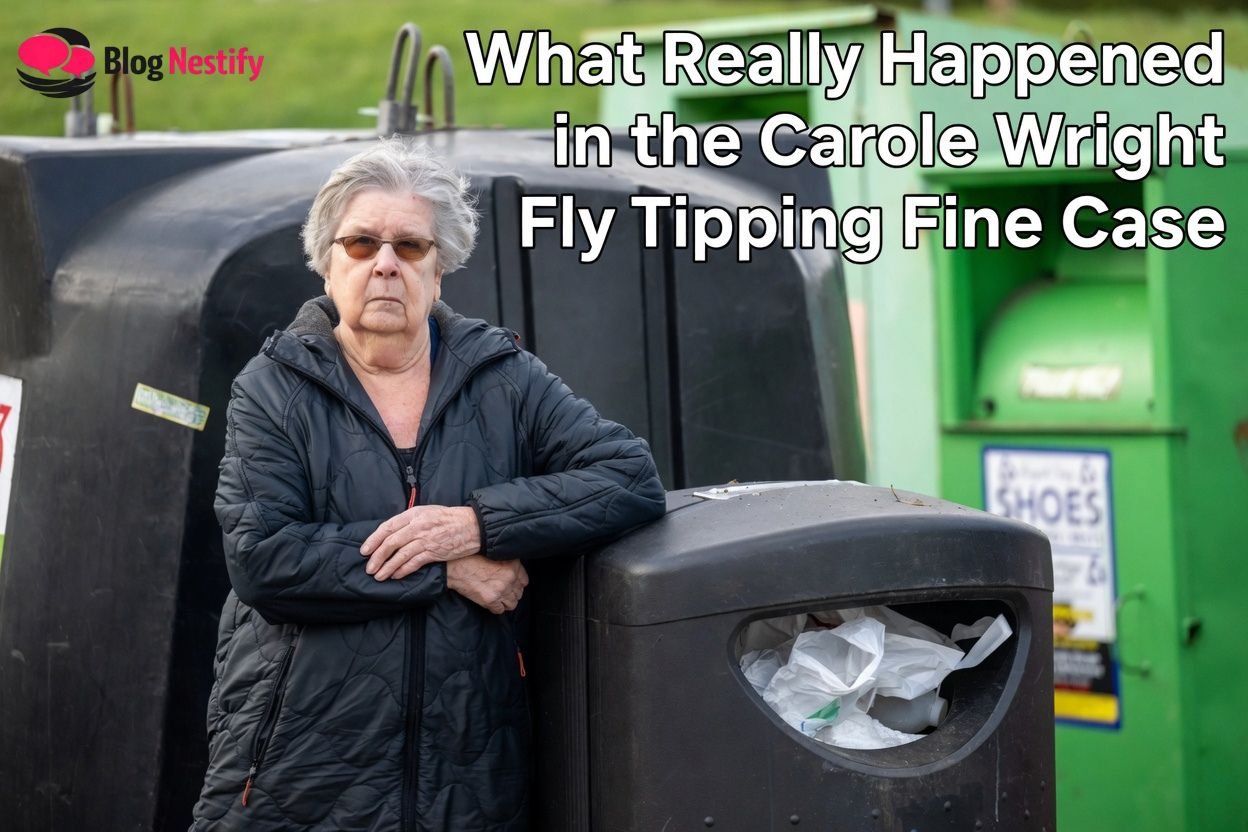
The Carole Wright fly tipping fine case has sparked widespread anger across the UK. An 83-year-old grandmother from Reading faces a £600 penalty and the threat of court for what many see as a minor recycling mistake involving a single cardboard box.
This story touches on deeper frustrations with local councils, private enforcement contractors, and the balance between environmental rules and everyday common sense.
BIO
| Label | Information |
|---|---|
| Full Name | Carole Wright |
| Age | 83 years old |
| Residence | Reading, Berkshire |
| Family | Grandmother of four |
| Former Career | Secretary and nurse |
| Date of Incident | October 2025 |
| Recycling Site | Milestone Centre, Reading |
| Fine Amount | £600 Fixed Penalty Notice |
| Contractor | Kingdom Environmental Enforcement |
| Council Involved | Reading Borough Council |
| Reason for Fine | Cardboard box left next to full bins |
| Current Status | Case ongoing as of May 2026 |
| Public Reaction | Widespread outrage and national media coverage |
Who Is Carole Wright?
Carole Wright is an 83-year-old grandmother of four living in Reading, Berkshire. She worked as a secretary and nurse during her career. Family and neighbours describe her as a law-abiding, community-minded woman who has always tried to do the right thing.
Like many pensioners, she takes recycling seriously and regularly visits local drop-off points. Her daughter Catherine has been vocal in defending her mother, saying the situation has caused significant stress.
The Incident at the Milestone Centre
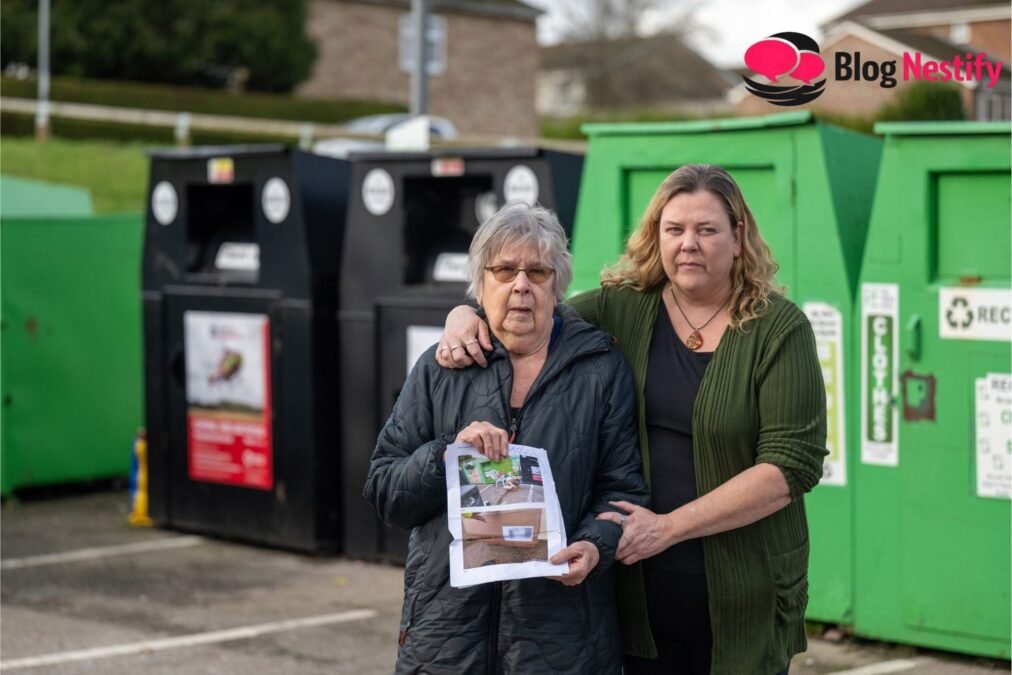
In October 2025, Carole Wright visited the recycling drop-off point outside the Milestone Centre in Reading. She brought household waste, including packaging from a new kitchen pan.
According to her account, she placed everything into the recycling bins. However, the bins were already full and overflowing. She left a cardboard box neatly beside them, believing it would be collected as part of normal operations.
A few days later, a letter arrived from Kingdom, a private environmental enforcement contractor working for Reading Borough Council. The letter accused her of fly-tipping and issued a Fixed Penalty Notice for £600.
Details of the Fine
The evidence included photographs: one showed a worker holding the cardboard box with Carole’s address clearly visible, and another displayed the site with overflowing bins and other waste. The notice warned that failure to pay could lead to prosecution and a criminal conviction.
The family maintains that Carole acted responsibly. They suggest the box may have blown out of the bin or been moved. Catherine Wright expressed frustration, noting her mother is now stressed, not eating properly, and worried about appearing in court or even prison.
Why This Case Struck a Nerve
The Carole Wright fly tipping fine quickly went viral. National media outlets like the Mirror, Telegraph, GB News, and Metro covered the story extensively. Many readers saw it as a classic example of heavy-handed bureaucracy targeting vulnerable people.
Public reaction was strongly critical of Reading Borough Council and Kingdom. Comments focused on the apparent lack of common sense, especially when the bins were overflowing. Critics questioned whether fining an elderly resident for one box truly tackles serious fly-tipping problems.
Understanding Fly Tipping Laws in the UK
Fly-tipping refers to the illegal dumping of waste. Under UK law, even leaving small amounts of household waste beside full bins can technically count as an offence. Fixed Penalty Notices typically range from £150 to £400, but can reach £600 in some cases.
Councils increasingly use private contractors like Kingdom to issue fines and generate revenue. Supporters argue this helps fund enforcement and keeps streets cleaner. Critics, however, claim it creates a system focused more on targets and penalties than practical solutions.
In Carole’s case, the key debate centres on whether placing a box next to overflowing bins qualifies as deliberate fly-tipping or simply a reasonable attempt at responsible disposal.
The Council and Contractor’s Position
Reading Borough Council and Kingdom have stated they are open to dialogue. They claim they requested further information from Carole but received no response within the required period. The council emphasises that tackling fly-tipping remains a top priority for residents.
They argue that proper evidence is needed to withdraw the fine. As of late January 2026, the case remains unresolved, with the family preparing for potential court proceedings while hoping for a sensible resolution.
Broader Issues with Recycling Infrastructure
This incident highlights ongoing problems with recycling facilities across the UK. Overflowing bins, limited opening hours, and confusing rules often leave residents frustrated. Elderly people, in particular, may struggle when sites are not well-maintained.
Many argue that enforcement should focus on large-scale illegal dumping rather than minor incidents at official recycling points. The Carole Wright fly tipping fine has renewed calls for better infrastructure and more understanding in enforcement practices.
Lessons for Everyday Recycling
The case serves as a reminder to be extra careful when disposing of waste. Photographing the site before and after disposal, using official household collection services when possible, and checking bin levels can help protect against similar situations.
For older residents, asking family members for help or contacting the council in advance about issues with full bins may prevent problems. The story also raises questions about how councils support vulnerable residents in meeting environmental responsibilities.
Final Thoughts on the Carole Wright Case
The Carole Wright fly tipping fine is more than just one woman’s unfortunate experience. It reflects wider tensions in modern Britain between environmental goals and practical realities, especially for pensioners trying to do the right thing.
While protecting the environment matters, most people believe enforcement should remain proportionate and fair. An 83-year-old grandmother facing £600 and court for one cardboard box feels excessive to many.
As the case continues, it will be interesting to see whether Reading Council chooses compassion and common sense or proceeds with formal action. Either way, Carole Wright’s story has sparked an important national conversation about balance, fairness, and how we handle waste in our communities.
FAQs
Who is Carole Wright? Carole Wright is an 83-year-old grandmother from Reading, Berkshire. A former secretary and nurse, she has lived a quiet, law-abiding life. The Carole Wright fly tipping fine has thrust her into the national spotlight after she was accused of improperly disposing of a single cardboard box.
What exactly happened in the Carole Wright fly tipping fine case? In October 2025, Carole took packaging from a new pan to the Milestone Centre recycling point. Finding the bins full, she placed the cardboard box neatly beside them. Days later, she received a £600 Fixed Penalty Notice from contractor Kingdom for fly-tipping.
Why was Carole Wright fined £600? The enforcement contractor issued the fine after finding the box with her address on it next to overflowing bins. They classified it as fly-tipping under UK waste laws. The family argues it was an honest mistake and the box may have blown out of the bin.
Has the Carole Wright fly tipping fine been resolved? As of May 2026, the case remains unresolved. Reading Borough Council and Kingdom say they are open to dialogue if evidence is provided, but the family reports significant stress on Carole, who fears court and has struggled with anxiety over the situation.
What does the Carole Wright fly tipping fine case teach us? This story highlights issues with recycling infrastructure, heavy-handed enforcement, and the impact on elderly residents. It serves as a reminder to photograph sites when disposing of waste and to contact councils when bins are full.
