


Introduction
David Dickinson is one of Britain’s most recognizable television personalities, best known for his warm presenting style, sharp eye for antiques, and unforgettable catchphrases. Over the years, he has become closely linked with daytime television, especially through shows such as Bargain Hunt and Dickinson’s Real Deal.
His journey is not just a story of television fame. It is also the story of a man who built his career through experience, personality, resilience, and a genuine understanding of the antiques trade. From his early life in Stockport to becoming a familiar face on British screens, David Dickinson’s biography shows how character and confidence can turn specialist knowledge into mainstream success.
BIO
| Label | Information |
|---|---|
| Full Name | David Dickinson |
| Birth Date | 16 August 1941 |
| Birthplace | Cheadle Heath, England |
| Nationality | British |
| Profession | TV presenter and antiques expert |
| Famous Shows | Bargain Hunt and Dickinson’s Real Deal |
| Known For | Antiques and daytime television |
| Television Debut | Antiques television programs |
| Nickname | The Duke |
| Marital Status | Married |
| Spouse | Lorne Lesley |
| Main Expertise | Antiques and collectibles |
| Years Active | Several decades in television |
Who Is David Dickinson?
David Dickinson is an English antiques expert, television presenter, broadcaster, and entrepreneur. He was born on 16 August 1941 in Cheadle Heath, Stockport, Cheshire. His birth name was David Gulesserian, and he was later adopted by the Dickinson family.
He became widely known for bringing energy and entertainment to the world of antiques. Before his television breakthrough, antiques programs were often seen as quiet, serious, and traditional. David helped make them more lively, accessible, and enjoyable for everyday viewers.
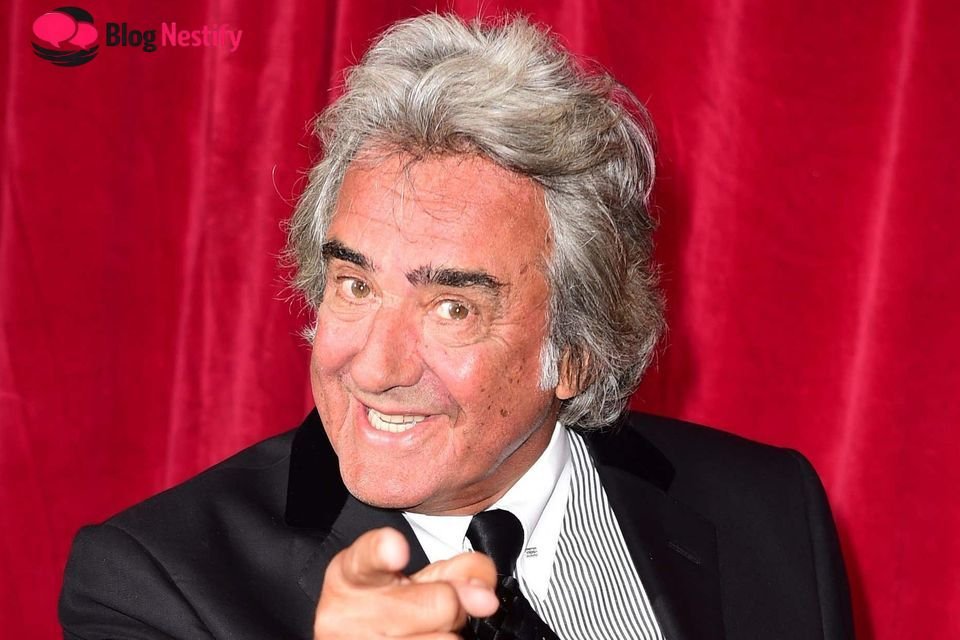
His public image is easy to recognize: smart suits, confident delivery, a glowing tan, and phrases such as “cheap as chips” and “a real bobby dazzler.” These details helped turn him from an antiques dealer into a true television personality.
Early Life
David Dickinson’s early life was shaped by adoption, family changes, and working-class values. He was born during the Second World War and placed for adoption as an infant. He later grew up with his adoptive family in the Stockport area.
His biological background became a major part of his personal story later in life. On Who Do You Think You Are?, he explored his Armenian heritage and the circumstances surrounding his adoption. That journey gave viewers a more emotional look at the man behind the confident television image.
David’s adoptive father died when he was young, and his upbringing was not always easy. These early experiences helped shape his strong personality and work ethic. Long before television fame, he had already learned the importance of survival, discipline, and making the most of opportunities.
Life Before Fame
Before becoming famous, David Dickinson worked in different areas and developed the practical experience that later helped him in the antiques world. As a teenager, he briefly began an apprenticeship at an aircraft factory before moving into the cloth trade in Manchester.
His early adult life also included serious personal challenges. Public biographies note that, at the age of 19, he served time after a conviction for mail-order fraud. It was a difficult chapter, but David later rebuilt his life and went on to create a respected career in business and television.
This part of his biography matters because it shows that his success was not handed to him. David Dickinson’s career was built after setbacks, not without them. His later achievements became stronger because he had experienced hardship and still found a way forward.
Start in Antiques
David Dickinson’s real professional foundation came from the antiques business. He developed his knowledge through buying, selling, observing quality, and understanding what makes an item valuable.
The antiques trade requires more than good taste. It demands patience, judgment, negotiation skills, and an eye for detail. David learned how to assess objects, recognize craftsmanship, and understand what buyers wanted.
This experience made him different from presenters who only read scripts. When David spoke about antiques on television, viewers could sense that he knew the subject from real-life experience. That practical knowledge became one of the reasons audiences trusted him.
Television Breakthrough
David Dickinson first gained wider public attention as an antiques expert on television, including appearances connected with daytime and antiques programming. His biggest breakthrough came when he became the presenter of Bargain Hunt, the BBC antiques show that became a daytime favorite.
Bargain Hunt gave David the perfect platform. The format was simple, entertaining, and easy to follow. Contestants bought antiques and collectibles, then took them to auction to see whether they could make a profit.
David’s role was not only to present the show. He brought personality, humor, and excitement to the process. He made antiques feel fun rather than intimidating. For many viewers, he became the face of the program.
Success With Bargain Hunt
During his time on Bargain Hunt, David Dickinson became a household name. His confident presenting style helped the show stand out in daytime television.
He had a natural way of speaking to contestants and viewers. He could explain the value of an item without making the subject feel complicated. His catchphrases also helped give the show a familiar rhythm that audiences enjoyed.
The success of Bargain Hunt proved that antiques could be popular entertainment. David helped show that old objects were not just museum pieces. They had stories, value, charm, and sometimes surprising auction results.
His years on the show gave him national recognition and opened the door to more television work.
Move to ITV
After leaving the BBC, David Dickinson moved to ITV and became the presenter of Dickinson’s Real Deal, which began in 2006. The show gave him another long-running success and allowed him to continue working in the antiques world on his own terms.
The format of Dickinson’s Real Deal is based on members of the public bringing in antiques and collectibles. Dealers make cash offers, but sellers can choose to accept the money or take the item to auction.
David’s role is central to the show. He guides sellers, watches the deals, offers advice, and helps create drama around each decision. The show works because it combines expert opinion with real human emotion. People are not just selling objects. They are often selling family items, memories, or unexpected discoveries.
According to David’s official site, he has hosted Dickinson’s Real Deal since 2006, with the show reaching more than 1,000 episodes.
His TV Style
David Dickinson’s television success comes from more than knowledge. His style is one of the biggest reasons people remember him.
He is confident without being dull, dramatic without feeling forced, and charming without losing authority. His voice, expressions, and phrases all became part of his brand.
In a crowded television world, being memorable is important. David understood how to hold attention. He could make a small antique feel exciting and turn a simple valuation into a moment of suspense.
His presenting style also helped viewers feel included. He did not make antiques seem like a subject only for experts. Instead, he made people feel that anyone could learn, enjoy, and possibly find value in old possessions.
Personal Brand
The phrase “The Duke” became closely associated with David Dickinson. It reflects his polished appearance, bold confidence, and distinctive personality. His autobiography, The Duke: What a Bobby Dazzler, also helped strengthen this public image.
Personal branding is a major part of modern television fame, and David built one naturally. His tan, suits, catchphrases, and antiques knowledge all worked together.
Unlike presenters who blend into a format, David became part of the identity of the shows he hosted. Viewers did not only tune in for antiques. They tuned in because David made the experience entertaining.
That strong personal brand is one reason he has remained relevant for so many years.
Family Life
David Dickinson has been married to Lorne Lesley since 1968. She was a cabaret performer, and their long marriage has been part of his personal story for decades. Public biographies also note that they have two children and grandchildren.
Although David is a public figure, he has often kept much of his private life away from unnecessary attention. Still, his family background, marriage, and heritage have played important roles in how audiences understand him.
His appearance on Who Do You Think You Are? was especially meaningful because it showed a more emotional side of his life. It allowed viewers to see beyond the catchphrases and confidence, revealing a man interested in identity, roots, and family history.
Public Image
David Dickinson’s public image has always been colorful. He is known for his deep tan, smart clothes, lively expressions, and dramatic way of describing antiques.
Some television personalities are remembered only for the shows they host. David is remembered as a character in his own right. That is a rare quality and one of the reasons his fame has lasted.
His catchphrases became part of British daytime television culture. “Cheap as chips” and “bobby dazzler” are simple, memorable, and easy for viewers to associate with him. These phrases helped make his presenting style feel friendly and familiar.
Career Highlights
David Dickinson’s career highlights include hosting Bargain Hunt, leading Dickinson’s Real Deal, publishing his autobiography, and appearing on other television programs. He also presented The David Dickinson Show and David Dickinson’s Name Your Price.
He has also appeared in entertainment programs outside antiques, which helped widen his audience. These appearances showed that his appeal was not limited to collectors or auction fans.
His greatest achievement, however, may be his role in making antiques television more mainstream. He helped bring energy to a subject that could easily have felt too specialist for broad audiences.
Fame and Longevity
Fame is difficult to maintain, especially in television. Many presenters become popular for a few years and then disappear. David Dickinson’s career is different because he managed to stay visible across decades.
His longevity comes from a mix of expertise, personality, and adaptability. He understood antiques, but he also understood entertainment. That combination helped him survive changes in television tastes.
He also benefited from being authentic. His style may be big and theatrical, but it feels genuinely his own. Viewers can tell when a personality is forced. With David, the charisma feels natural.
That authenticity helped him build trust with audiences and remain a familiar name in British homes.
Challenges
David Dickinson’s life has included public challenges and personal difficulties. His early life was complicated by adoption and family separation. His youth included a criminal conviction, which he later moved beyond as he rebuilt his career.
In later years, he also faced the normal pressures of television fame: public attention, media stories, changing audience habits, and competition from new presenters.
What stands out is how he continued working despite those challenges. His biography is not a perfect success story with no difficult chapters. It is more human than that. It shows reinvention, growth, and persistence.
That makes his career more interesting and more relatable.
Legacy in Antiques TV
David Dickinson’s legacy is strongly tied to the rise of antiques television in Britain. He helped turn valuations, auctions, and collectibles into entertainment that ordinary viewers could enjoy.
He brought warmth and personality to a field that might otherwise have seemed formal. He made viewers care about whether an item would sell well at auction. He made sellers’ decisions feel exciting.
His influence can be seen in the continued popularity of antiques and auction-based programs. Many later shows followed the same idea: everyday people, hidden treasures, expert advice, and the thrill of the final price.
David Dickinson helped prove that this formula could work beautifully on daytime television.
What Is He Doing Today?
David Dickinson remains strongly associated with Dickinson’s Real Deal, which continues to be recognized as one of ITV’s long-running daytime antiques shows. His official site describes the program as a major part of his ongoing television work, with recording schedules and updates connected to the show.
Public interest in him also continues because viewers remember his earlier years on Bargain Hunt and still search for details about his life, family, career, and current activities.
Even after decades in the public eye, David Dickinson remains a name that people connect with antiques, auctions, and British daytime entertainment.
Conclusion
David Dickinson built his fame through knowledge, personality, and resilience. His life began with challenges, but he went on to become one of Britain’s best-known antiques experts and television presenters.
From his early days in Stockport to his years in the antiques trade, from Bargain Hunt to Dickinson’s Real Deal, his career shows the power of reinvention and strong personal identity.
He did not become famous simply because he knew about antiques. He became famous because he made antiques interesting to millions of viewers. His charm, confidence, and memorable style turned him into a television favorite.
Today, David Dickinson’s biography remains a story of early hardship, professional growth, public fame, and lasting influence in British television.
FAQs About David Dickinson
Who is David Dickinson?
David Dickinson is a British television presenter and antiques expert best known for shows like Bargain Hunt and Dickinson’s Real Deal.
What made David Dickinson famous?
He became famous through antiques television programs where his personality, catchphrases, and expert knowledge attracted millions of viewers.
Is David Dickinson still on television?
Yes, David Dickinson remains connected with television and is widely recognized for his long-running antiques shows.
What is David Dickinson known for besides TV?
Besides television, David Dickinson is known for his experience in the antiques trade and his strong influence on daytime entertainment.
Did David Dickinson work in antiques before TV?
Yes, he built a successful career in the antiques business before becoming a television personality.
