

Clean, crystal‑clear windows bring fresh light into your home, improve your view, and make your entire space feel brighter and more inviting. Yet even with effort, streaks and smudges often remain. In this article, we’ll walk you through the best way to clean windows with professional‑level results, using proven techniques and easy‑to‑find tools. Let’s dive into how you can finally achieve the spotless windows you’ve always wanted.
BIO
| Label | Information |
|---|---|
| Topic | Best Way to Clean Windows |
| Main Goal | Achieve streak-free, professional results |
| Recommended Tools | Squeegee, microfiber cloth, cleaning solution |
| Best Cleaning Solution | Water, vinegar, dish soap |
| Ideal Time to Clean | Cloudy days, early morning or late afternoon |
| Key Technique | Use squeegee in a straight, continuous motion |
| Common Mistake to Avoid | Cleaning in direct sunlight |
| Frequency of Cleaning | At least twice a year, monthly for high-dust areas |
| Cleaning Mistake #1 | Using too much cleaning solution |
| Pro Tip #1 | Always wipe the squeegee after each pass |
| Pro Tip #2 | Buff with a dry microfiber cloth for final touch |
| Tough Stain Removal Tip | Use baking soda paste for hard water stains |
| Professional Help Needed | For hard-to-reach windows or extreme buildup |
Why Window Cleaning Matters
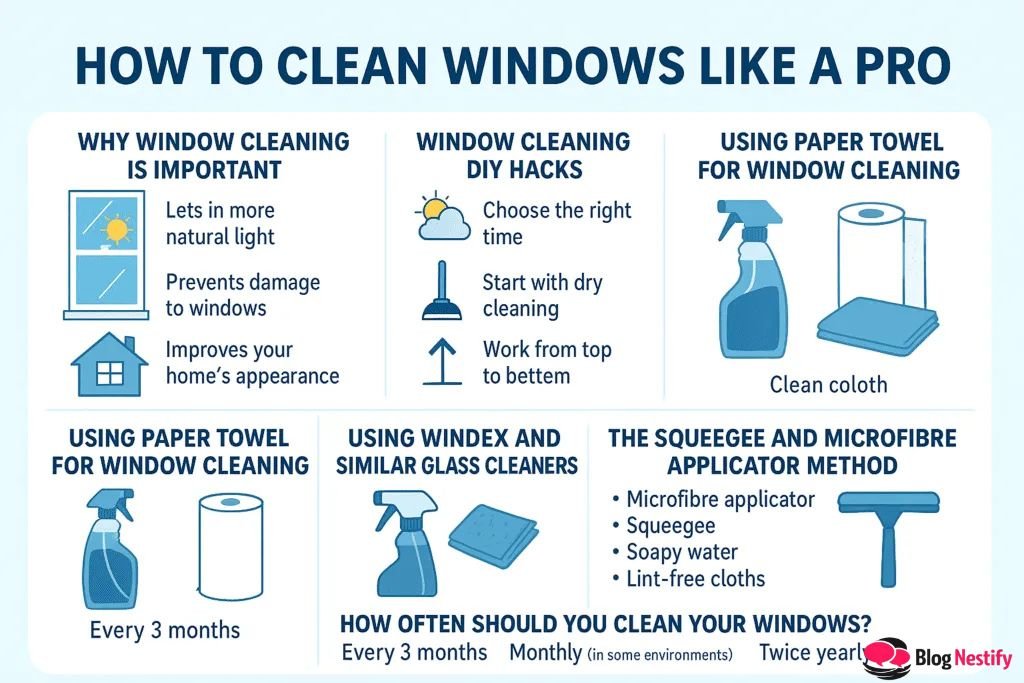
Windows are more than just openings to the outside world. Clean windows let in more natural light, enhance your home’s appearance, and even improve curb appeal. Dirty glass can make rooms look dull and unkempt, while clean glass feels fresh and welcoming. Moreover, proper cleaning prevents dirt and debris from building up, which can damage glass over time if not addressed. Experts recommend cleaning windows at least once a month for everyday maintenance and more often in dusty or pollen‑heavy seasons.
The challenge many of us face is not just removing dirt, but doing it without leaving streaks. Streaks are often caused by using the wrong tools, applying too much cleaning solution, or working in direct sunlight, which causes the cleaner to dry too quickly on the glass surface.
Gather Your Tools and Supplies
Before you begin, it’s important to have the right tools. Professionals never rely on random rags or paper towels. Instead, they use materials designed to clean without leaving residue. The most essential tools include:
- Squeegee: A rubber‑edged squeegee is key to removing water and solution without streaks.
- Microfiber Cloths: Two or more lint‑free microfiber cloths help with washing and drying without leaving fibers.
- Cleaning Solution: A simple mix of distilled water with a splash of white vinegar and a tiny drop of dish soap cuts through grease and grime without residue.
- Bucket: Holds your solution and keeps your tools organized.
- Extension Pole: Useful for high or exterior windows.
Having the right tools makes a big difference. Professionals stress that quality matters, especially when it comes to the squeegee blade and microfiber cloths, because inferior products can leave marks or fibers behind.
Choose the Best Time to Clean
Timing your window cleaning can dramatically affect results. Cleaning on a hot, sunny day may seem ideal, but direct sunlight causes the cleaning solution to dry too fast, leaving streaks before you can remove it. Instead, choose a mild, cloudy day or the early morning or late afternoon when the sun is low and the glass stays wet longer.
This simple adjustment helps ensure the solution stays workable long enough for you to remove it fully, boosting your chances of a streak‑free finish.
Step‑by‑Step: The Best Way to Clean Windows
Here’s the method professionals use to get windows sparkling clean:
- Remove Loose Dirt and Dust
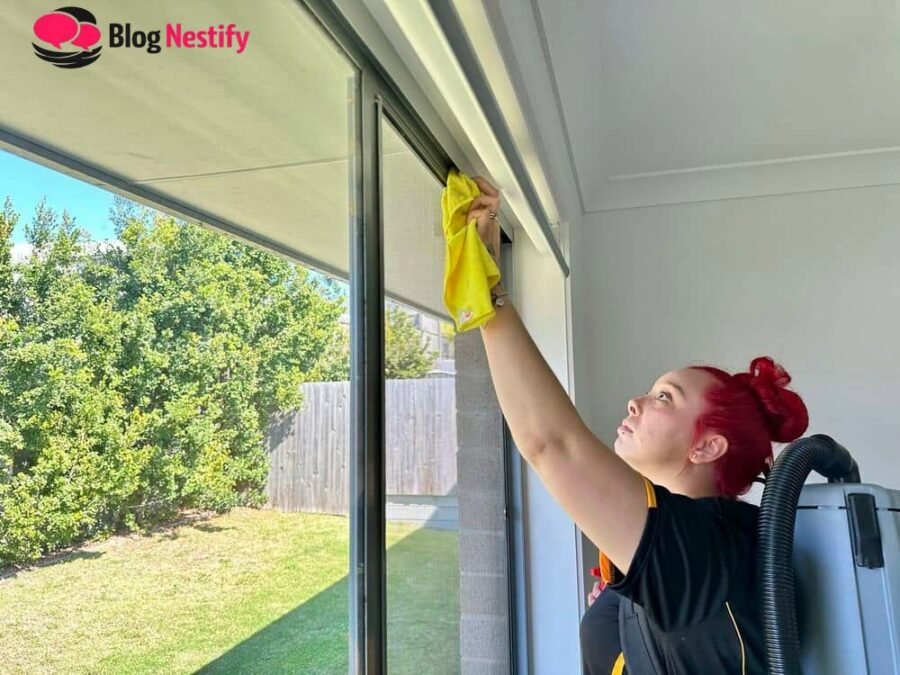
Start by brushing or vacuuming the frame and tracks. Keeping loose debris out of your cleaning solution prevents it from turning into mud on the glass. - Apply the Cleaning Solution
Dip your cleaning sponge or cloth into your bucket of solution and apply it generously to the glass. Make sure the surface is fully wet but not dripping. - Use the Squeegee Correctly
Begin at the top left of the window and pull the squeegee down in a straight, continuous line. Wipe the blade with a clean cloth after each pass to avoid pushing dirty water back onto the glass. - Dry the Edges
Once the bulk of the water is removed, use a dry microfiber cloth to wipe the edges and corners. These areas often trap small droplets that cause streaks later. - Final Buff
Use a clean, dry microfiber cloth to buff the glass and remove any remaining moisture or light smudges.
Working methodically from top to bottom and using a consistent technique ensures that you lift all the dirt and moisture from the window surface, rather than just smearing it around.
Professional Tricks for Streak‑Free Windows
Achieving a truly professional finish requires attention to a few key details:
- Minimal Cleaning Solution: Too much solution can leave residue that dries into streaks. A simple mixture with just one drop of dish soap works effectively without extra residue.
- Microfiber Over Paper: Avoid paper towels or old cloths. They leave fibers and lint, which cause streaks and cloudiness.
- Angle Matters: A slight angle on the squeegee helps water run off cleanly rather than pooling.
- Always Wipe the Blade: Professionals always keep the squeegee blade clean between passes. This prevents dirt from re‑depositing on the glass.
These “trade secrets” aren’t complicated, but they are often what separates amateur results from professional quality outcomes.
Cleaning Tough Stains and Mineral Buildup
Sometimes windows have stubborn spots like water stains, bird droppings, or pollen residue. For these, gentle scrubbing with a sponge and your cleaning solution usually does the trick, but mineral deposits from hard water may need a bit more attention.
A paste of baking soda and water applied gently to tough spots can help lift mineral buildup before you use your squeegee. Always rinse thoroughly before squeegeeing to avoid scratches.
For extremely tough stains or high‑up windows that are difficult to reach safely, it might be wise to call a professional window cleaning service. They have specialized tools, including water‑fed poles and purified water systems, that can leave glass clearer than even the best DIY methods.
How Often Should You Clean Windows?
The right cleaning frequency depends on your climate, environment, and preferences. In general:
- At least twice a year: Deep cleaning both inside and outside windows.
- Monthly touch‑ups: Especially in seasons with heavy pollen, rain, or dust.
Regular maintenance prevents thick grime and mineral buildup, making each cleaning easier and more effective.
Why Professional Window Cleaning Still Matters
While DIY methods can achieve excellent results, professionals bring experience and specialized equipment that many homeowners don’t have. They can access hard‑to‑reach windows safely and deliver consistently flawless, streak‑free results.
Hiring a professional is especially helpful for large homes, commercial buildings, or tall windows where safety becomes a concern.
Mistakes to Avoid
To make sure your glass always looks its best, avoid these common errors:
- Cleaning in direct sunlight: Causes premature drying and streaks.
- Using too much cleaner: More isn’t better; it often leaves residue.
- Paper towels: They leave lint, which shows up as streaks.
- Ignoring frames and tracks: Dirt from frames can transfer back onto the glass during cleaning.
By steering clear of these mistakes, you’ll see noticeably better results with less effort.
Conclusion
Finding the best way to clean windows doesn’t require expensive products or complicated techniques. It comes down to using the right tools, applying the right method, and paying attention to detail. With quality microfiber cloths, a good squeegee, an effective cleaning solution, and the right timing, you can achieve windows that sparkle and shine just like the professionals do.
Whether you’re tackling a few panes or an entire house, these expert‑approved strategies will help you clean with confidence and enjoy clearer views and brighter spaces. With a bit of practice, you’ll wonder why you ever settled for anything less than pristine glass.
FAQs
- What is the best way to clean windows?
The best way to clean windows involves using a squeegee, a microfiber cloth, and a homemade solution of water, vinegar, and a drop of dish soap for streak-free results. - How can I prevent streaks when cleaning windows?
To avoid streaks, clean windows in the shade, use minimal cleaning solution, and always wipe the squeegee blade after each pass. - What tools do I need for professional-level window cleaning?
You’ll need a good squeegee, microfiber cloths, a bucket with a cleaning solution, and possibly an extension pole for higher windows. - Can I clean windows in direct sunlight?
It’s best to avoid cleaning in direct sunlight as it causes the solution to dry too quickly, leaving streaks. Choose a cloudy day or early morning/evening. - How often should I clean my windows?
For optimal results, clean your windows at least twice a year. For homes in dusty or rainy areas, monthly touch-ups may be necessary.
